Nat Hentoff Quotes
The book that really, really shaped my politics and has forever is Arthur Koestler's "Darkness at Noon," which is a novel based on terrible fact about what it was like in Russia during Stalin's time when people actually believed that to get to the point where the Proletariat would triumph, anything that was necessary to be done should be done; the means didn't count.
Hentoff, Nat. Interview by Brian Lamb. Booknotes, C-SPAN, 30 Nov. 1997.

Even leading Soviet officials were critical of the Stalin era and Stalin’s brutal, dictatorial methods.


The “execution” to which she refers was the famous speech given to communist party leaders by Nikita Khrushchev where he publicly revealed the worst crimes of Stalin and Stalinist Russia. Prior to that, publicly Stalin was godlike in the Soviet Union. Decades of disillusionment with Stalinist Russia set the stage for the fall of the Soviet Union which was also accompanied by massive corruption, economic chaos and a diminution of the standard of living of most Russians. Some, including many of the younger people who had not lived through the Stalinist horrors, were resentful that the great era of Soviet military, scientific, and political greatness and dominance was completely overshadowed by the revelation of the purges, gulags, terror and murder. Prudnikova represents that school of thought.

This was a big factor that made the Red Scare so damaging.


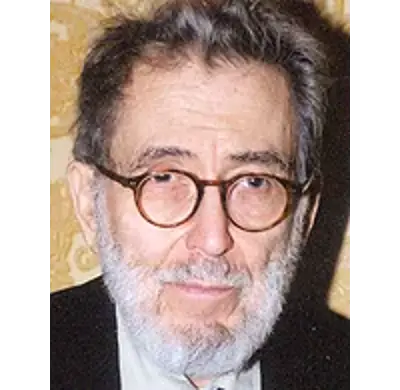
Nathan Irving Hentoff was an American historian, novelist, jazz and country music critic, and syndicated columnist for United Media. Hentoff was a columnist for The Village Voice from 1958 to 2009. Following his departure from The Village Voice, Hentoff became a senior fellow at the Cato Institute and continued writing his music column for The Wall Street Journal, which published his works until his death. He often wrote on First Amendment issues, vigorously defending the freedom of the press.
