Joyce Carol Oates Quotes
'The Accursed' is very much a novel about social injustice as the consequence of the terrible, tragic division of classes - the exploitation not only of poor and immigrant workers but of their young children in factories and mills - and as the consequence of race hatred in the aftermath of the Civil War and the freeing of the slaves.
Oates, Joyce Carol. Interview on The Accursed. Ecco Press, 2013.


Sinclair had written an expose of the meat packing industry – the Jungle – which used as its setting the Armour meat packing factory. It changed the way the public thought about the industry, the role of government and regulation. President Roosevelt took up the reform role, and got Congress to Regulate the quality and cleanliness of the meat packing industry. Sinclair, however not only wanted that reform, but also wanted the labor wages and conditions reformed. He referred to the Armour plant as the fortress.


This quotation is interesting for two reasons. First it is a good example of the twisted logic of some of the Slavery apologists who claimed that the Negro slave was better off than the free wage earner. The second reason is that it illustrates the norms of the treatment of the working man before the Civil War. The union movement would change the situation for the free laborer over the next century and then holidays and worker rights became normalized in American society. See {641290} for another of his absurd arguments.


This quotation and other material were so radical and inflammatory that Calhoun wrote and published this anonymously.


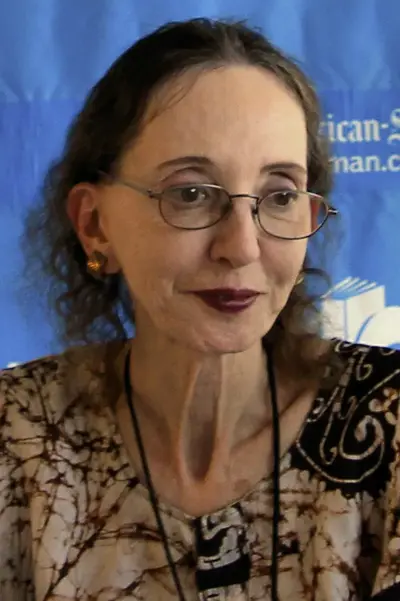
Joyce Carol Oates is an American writer. Oates published her first book in 1963 and has since published 58 novels, a number of plays and novellas, and many volumes of short stories, poetry, and nonfiction. She has won many awards for her writing, including the National Book Award, for her novel them (1969), two O. Henry Awards, the National Humanities Medal and the Jerusalem Prize (2019). Her novels Black Water (1992), What I Lived For (1994), and Blonde (2000) and short story collections The Wheel of Love (1970) and Lovely, Dark, Deep: Stories (2014) were each finalists for the Pulitzer Prize.
