Charlemagne Quotes
That our judges, counts, or envoys shall not have a right to extort payment of the remitted fine, on their own behalf, from those destitute persons to whom the emperor has, in his mercy, forgiven what they ought to pay by reason of his balm
This document was a type of Magna Carta but far earlier.
Charlemagne, 742-814, French King Charles, First Christian King & Holy Roman Emperor, Capitulary Issued in the Year 802
Sourced by: Eigen's Political and Historical Quotations

This document was a type of Magna Carta but far earlier.


This law is used to free “honor killing” murderers who have killed female relatives for what they thought was a sexual transgression that “stained the family honor.” The custom exists in some other countries but rarely with such sanction of law. In the case of Article 548 the word “witnesses” is interpreted to mean “heard about it” or even has some reason to suspect it. Each year in Syria hundreds of innocent women, and even girls are killed with impunity. In one 2007 case a 15 year old girl was kidnapped and raped. When she was freed by the police she was jailed. A cousin got her released by agreeing to marry her, but after the marriage, one of her own brothers, with the knowledge and concurrence of the rest of the family, butchered her with a knife. The family then held a party to celebrate the cleansing of their honor.


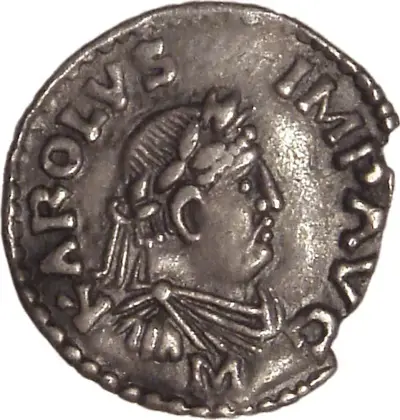
Charlemagne (English: /ˈʃɑːrləmeɪn, ˌʃɑːrləˈmeɪn/; French: [ʃaʁləmaɲ]) or Charles the Great; from the Latin Carolus Magnus, numbered Charles I, was the King of the Franks from 768, the King of the Lombards from 774, and the Emperor of the Romans from 800. During the Early Middle Ages, he united the majority of western and central Europe. He was the first recognised emperor to rule from western Europe since the fall of the Western Roman Empire around three centuries earlier. The expanded Frankish state that Charlemagne founded is called the Carolingian Empire. He was later canonised by Antipope Paschal III.
