Irving Babbitt Quotes
Tell him, on the contrary, that he needs, in the interest of his own happiness, to walk in the path of humility and self-control, and he will be indifferent, or even actively resentful.
Babbitt, Irving. Democracy and Leadership. Houghton Mifflin Company, 1924, p. 222.


Stimson had been a key member of the Theodore Roosevelt national administration, and Roosevelt, before he became Vice President and then President had been a very popular governor of NY. Stimson, although a brilliant administrator, and statesman was a bit stuffy and aloof and was a terrible campaigner. He thought it immodest to refer to himself in public or to talk about his record. So the Republicans tried to tie him to Roosevelt who was still very popular. See {589268}. It was not enough. Stimson lost.

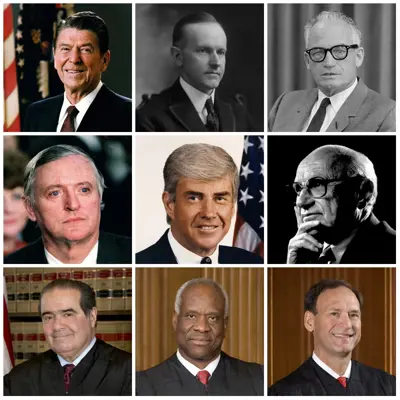
Irving Babbitt was an American academic and literary critic, noted for his founding role in a movement that became known as the New Humanism, a significant influence on literary discussion and conservative thought in the period between 1910 and 1930. He was a cultural critic in the tradition of Matthew Arnold and a consistent opponent of romanticism, as represented by the writings of Jean-Jacques Rousseau. Politically he can, without serious distortion, be called a follower of Aristotle and Edmund Burke. He was an advocate of classical humanism but also offered an ecumenical defense of religion. His humanism implied a broad knowledge of various moral and religious traditions. His book Democracy and Leadership (1924), is regarded as a classic text of political conservatism. Babbitt is regarded as a major influence over American cultural and political conservatism.
