C. S. Lewis Quotes
Spying on people by magic is the same as spying on them in any other way.
Lewis, C. S. The Voyage of the Dawn Treader. Geoffrey Bles, 1952, p. 138.

While that is true, nonetheless, our members of Congress and the Executive Branch act to the media as if they are outraged whenever we catch an individual spy. Our allies do the same when they catch our spies. So almost everyone plays the game.


The first non-PRI President in over 70 years.

While it is true that almost all nations have intelligence agencies and collect intelligence about both friends and foes, our allies did not bug the personal phones of leaders of friendly countries and were very distressed when they discovered that the US NSA had access to the personal calls of world leaders including the leaders of Brazil, Germany and France. Rubio and others believed that they only reason our allies had not done so is that they did not have the technical capability to do so; otherwise they would have been bugging our Presidential and cabinet level phones. President Obama ordered the practice stopped with respect to our allies.


He was referring to the power of the United States in cyber to hack into the computers, e-mail and phones of foreign leaders. Many other americans wouod argue that a more imoiortant reason to consuct this kind of surveiulance was to obtain warnings about dangers to America and/or Americans abroad. Still ohters wold agree with Atone but unlike Sone who feels that this is morally and politically wrong, they think that there is noting wrong with us using our power to promote the Amercian agenda. There has always been a part of America that was evengelical for the free democracy with civil rights protected even from government that America uniquely developed. And then there are some American wold be imperialists. This is an issue on which Americans have desagreed since our founding.


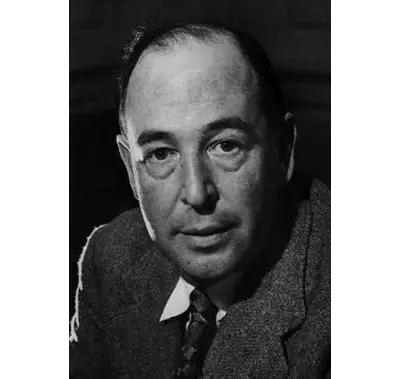
Clive Staples Lewis was a British writer and lay theologian. He held academic positions in English literature at both Oxford University (Magdalen College, 1925–1954) and Cambridge University (Magdalene College, 1954–1963). He is best known for his works of fiction, especially The Screwtape Letters, The Chronicles of Narnia, and The Space Trilogy, and for his non-fiction Christian apologetics, such as Mere Christianity, Miracles, and The Problem of Pain.
