James Weldon Johnson Quotes
Southern white people despise the Negro as a race, and will do nothing to aid in his elevation as such; but for certain individuals they have a strong affection, and are helpful to them in many ways.
Johnson, James Weldon. The Autobiography of an Ex-Colored Man. Sherman, French & Company, 1912.


Clay supported the relocation of freed slaves to Liberia through the American Colonization Society.


This quotation shows two important historical facts about Southern Racism. The first is now great the social pressures were against any white who would try and alter the status quo. The second was that none the less there have always been whites in the South who, despite the great social penalties, did the right thing and not only improved the situation, but more important, made most Americans realize that Southerners were not all racists any more than all of any group had any negative behavior.


In 1862 the president requested a $600,000 congressional appropriation to finance a pilot program for Negroes freed by the Civil War to emigrate to Africa. He met with a delegation of Black leaders:


Berea College in Kentucky was founded as an interracial college. This law made it illegal in Kentucky to operate an integrated college. Day was not only a racist but a sexist as well. He introduced and got it passed another education law that made co-education in Kentucky illegal
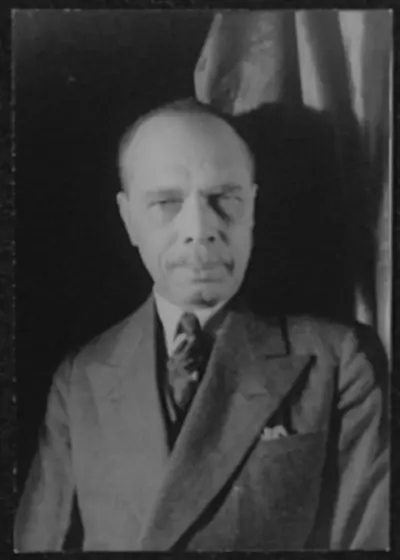
James Weldon Johnson was an American writer and civil rights activist. He was married to civil rights activist Grace Nail Johnson. Johnson was a leader of the National Association for the Advancement of Colored People (NAACP), where he started working in 1917. In 1920, he was the first African American to be chosen as executive secretary of the organization, effectively the operating officer. He served in that position from 1920 to 1930. Johnson established his reputation as a writer, and was known during the Harlem Renaissance for his poems, novels, and anthologies collecting both poems and spirituals of black culture. He wrote the lyrics for "Lift Every Voice and Sing", which later became known as the Negro National Anthem.
