Edward Albee Quotes
Sometimes it's necessary to go a long distance out of the way in order to come back a short distance correctly.
Albee, Edward. The Zoo Story. Coward-McCann, 1959.


This quotation has been cited by politicians when they were trying to criticize the direction and aims of current policies.

Grant’s overall strategy of attrition of the Southern troops and interdicting supplies and targeting Southern manufacturing and transportation was taking its toll and the Confederates tried a desperate gamble. Robert E. Lee’s tried to attack the Union in the North—Pennsylvania and Maryland threatening Washington and hoping to force the Union to sue for peace. But that left the Eastern part of the Southern heartland relatively undefended. Grant and Sherman, noting the opportunity, then sent Sherman to take Atlanta and destroy all the factories, railroads, and warehouses of food, arms and munitions, then march to the sea and back up the Atlantic Seaboard, freeing slaves and destroying anything and everything that could support an Army and putting enormous pressure on the Southern men fighting with Lee to return home and prevent starvation as there were now few slaves to work the farms. It was the stroke that, as intended, crippled the Confederacy’s ability to wage war. But Grant and Sherman both credited the Southern strategy with opening the opportunity—hence it was the Confederacy that “planned” Sherman’s March. The details of the plan were worked out by Sherman and his staff.


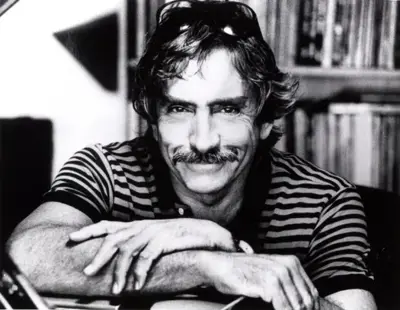
Edward Franklin Albee III was an American playwright known for works such as The Zoo Story (1958), The Sandbox (1959), Who's Afraid of Virginia Woolf? (1962), A Delicate Balance (1966), and Three Tall Women (1994). Some critics have argued that some of his work constitutes an American variant of what Martin Esslin identified and named the Theater of the Absurd. Three of his plays won the Pulitzer Prize for Drama, and two of his other works won the Tony Award for Best Play.
