G. M. Trevelyan Quotes
Social history might be defined negatively as the history of a people with the politics left out.
Trevelyan, G. M. English Social History: A Survey of Six Centuries, Chaucer to Queen Victoria. Longmans, Green and Co., 1944, p. vii.


2nd Viscount Melbourne. This is a fascinating historical quotation for two reasons. First it shows the formality of address that is still used in England when communicating with the monarch. The queen would never be addressed by her name but by her title—“Your Majesty”. Rarely would the second person by used such s “you.” The Queen or King would also use the third person when referring t herself—“Her Majesty” Most fascinating is that the person writing to the monarch would also never use the first person—I. Nor would they use their family name like “William Lamb.” The correct form of address was to use their aristocratic title—“Lord Melbourne” or their Government title—“The Prime Minister. This quotation also reflects a very interesting thing about the Queen and her husband Prince Albert. They were both very young. At this time she was only 23. She was responsible for the largest empire in the world, yet had almost no experience and relatively little education in political and history. The Prince was better educated but came from Germany and did not know much of English history and politics. So they both devoted a part of each day to red together and learn. Victoria had asked Melbourne to recommend the books that he and the Prince would read. They took their responsibilities very seriously and unlike many rulers of heads f state, had no difficulty admitting their ignorance and worked hard to overcome them.


Watson has studied the effects on politicians and policies of various lovers and spouses. He was not referring to the scandal aspect of the liaisons or the scandal interest, but he argues that often these lovers will have more policy influences on officials greater than that if their staffs or cabinet. However, most historians do not follow this line of study and until recently it was not even savory to do so.


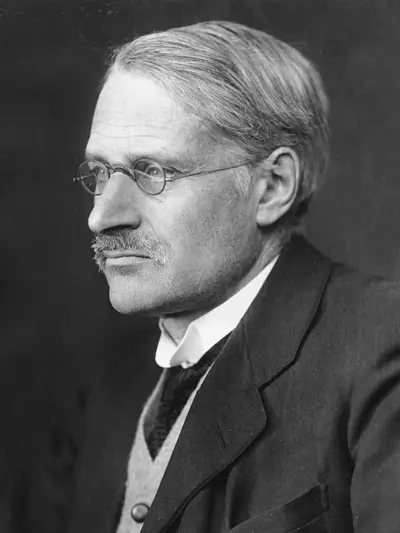
George Macaulay Trevelyan OM CBE FRS FBA, was a British historian and academic. He was a Fellow of Trinity College, Cambridge, from 1898 to 1903. He then spent more than twenty years as a full-time author. He returned to the University of Cambridge and was Regius Professor of History from 1927 to 1943. He served as Master of Trinity College from 1940 to 1951. In retirement, he was Chancellor of Durham University.
