Thomas Merton Quotes
If you want to study the social and political history of modern nations, study hell.
Merton, Thomas. New Seeds of Contemplation. New Directions, 1962, p. 122.


He allowed one of his statements to appear on the Democratic Party radio response to the President’s weekly broadcast.


While it is true that thus far in human history war has been the only way, that does not necessarily mean that that is the only way. The establishment of free trade used to be only accomplished by force or arms or fear of such, but in modern times, common markets and trading zones are being created for economic and domestic desires for economic development. Even most non democratic countries have wanted to create a larger market for its goods and services and have joined larger organizations irrespective of military defeat and its fear. See {553984} for perspective and hope relating to this quotation.


The Dixie Chicks were a female country singing group that originated in Dallas, Texas. The right wing supporters of President Bush were incensed, and the conservative Talk Show hosts pilloried Maines and the singing group in general. Ironically many of the same conservative pundits who so castigated the Dixie Chicks for their anti-war and anti-president rhetoric several years later were themselves attacking Bush and his Iraq War with far greater intensity and reach than the one small singing group–The Dixie Chicks. This quotation also gives us insight into the Tea Party and ultra Conservatives who were vehement and totally committed to attacking their enemies but who, in a short period of time, could totally flip flop as to who their enemies were. They were quick to jump onto bandwagons, loud and vigorous while they were on, but also quick to jump off.


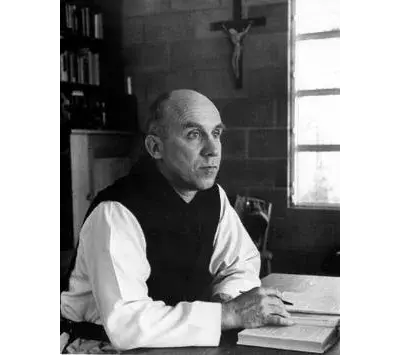
Thomas Merton OCSO was an American Trappist monk, writer, theologian, mystic, poet, social activist, and scholar of comparative religion. On May 26, 1949, he was ordained to the priesthood and given the name "Father Louis". He was a member of the Abbey of Our Lady of Gethsemani, near Bardstown, Kentucky, living there from 1941 to his death.
