Mohammad Javad Zarif Quotes
So there are two separate tracks. One track is for the Syrian government and the opposition that is interested in a peaceful future of Syria to come together for national unity, for the political process. At the same time, it is a requirement for everybody to stop supporting the extremist groups, to stop allowing them safe passage, to stop allowing them to receive weapons, to stop allowing them to receive financial assistance, and to come together in actually fighting them.
Wright, Robin. "Iran’s Foreign Minister on the Deal, Syria, and ISIS." The New Yorker, Condé Nast, 18 Dec. 2015.


This was her last report on the Syrian Government massacre of its own citizens in order to consolidate and maintain power. The building she and other journalists were taking shelter in was shelled by government heavy artillery and she and others were killed. The patch over her eye in the photo reflected the loss of one of her eyes when she was covering the civil war in Sri Lanka. She was struck with shrapnel. She continued her reporting despite the great risk.
At the time she was herself in exile in Jordan where she worked with the over 1 million Arab refugees (from both Syria and Iraq) in Jordanian refugee camps. The contrast between the two groups of refugees she found dramatic.


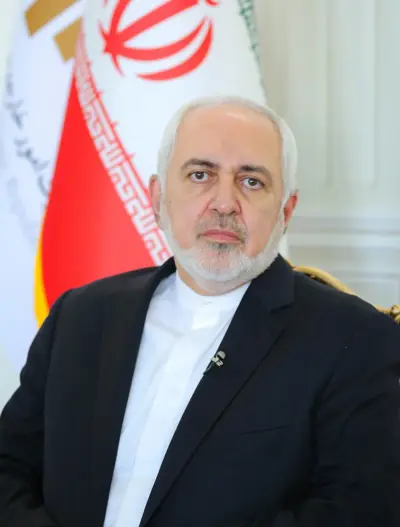
Mohammad Javad Zarif is an Iranian career diplomat and academic. He has been foreign minister of Iran since 2013. During his tenure as foreign minister, he led the Iranian negotiation with P5+1 countries which produced the Joint Comprehensive Plan of Action on 14 July 2015, lifting the economic sanctions against Iran on 16 January 2016. On 25 February 2019, Zarif resigned from his post as foreign minister. His resignation was rejected by President Hassan Rouhani and he continues as foreign minister.
