Drew Gilpin Faust Quotes
Since the middle of the twentieth century, our understanding of the American past has been revolutionized, in no small part because of our altered conceptions of the place of race in the nation's history.
Faust, Drew Gilpin. The Creation of Confederate Nationalism: Ideology and Identity in the Civil War South. Louisiana State University Press, 1988, p. 1.


Professor Egerton documents how successful Reconstruction was in radically changing the positions of Blacks in the South. He points out that it was so effective that a hate-filled, racist group of Southern White terrorists, with murder, arson, torture and intimidation took over many of the governments of the South while President Andrew Johnson, who although he believed in the Union, was himself an inveterate racist and opponent of emancipation, would not use the force of the Federal Government to bring the terrorists to justice. (The KKK leaders were known in every state and county). They successfully overthrew Reconstruction and set the process back by 100 years.

Leading the debate which ended in the rejection of the United Daughters of the Confederacy to get a Congressional patent for their logo, which included an early Confederate flag:


Reconstruction was the period in the South after the Civil War. The change that emancipation brought to the white South was traumatic, and there was a constant struggle between those who wanted the Blacks to be integrated into Southern Society—and those Southerners who wanted to create a society that would be as close to slavery as possible, So the Klu Klux Klan and other terrorist organizations formed and with lynching and other intimidation, much of the initial progress of Reconstruction was rolled back and did not get reinstated until the Civil Rights and Voting Rights Acts were passed in 1964.
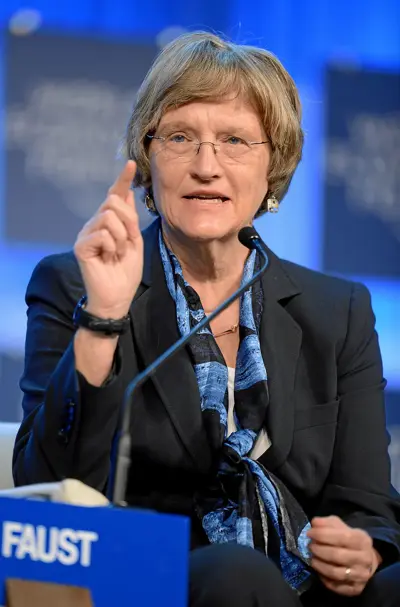
Catharine Drew Gilpin Faust is an American historian and was the 28th President of Harvard University, the first woman to serve in that role. Faust is the former dean of the Radcliffe Institute for Advanced Study; she was Harvard's first president since 1672 without an undergraduate or graduate degree from Harvard and the first to have been raised in the South.
