Edward Abbey Quotes
Simply because humankind have the power now to meddle or 'manage' or 'exercise stewardship' in every nook and cranny of the world does not mean that we have a right to do so. Even less, the obligation.
Abbey, Edward. A Voice Crying in the Wilderness (Vox Clamantis in Deserto). St. Martin's Press, 1989.


This quotation is classic in that it illustrates a fundamental difference between a political and religious view of rights. Politically a citizen is entitled to rights with no requirement or condition of responsibility. Politically, we may desire and applaud or even reward responsible behavior, but we may not condition the rights on someone’s version of responsible use of the rights. Indeed, the real test is if people have rights who are generally thought to be irresponsible. See {633640} .


Dyson was explaining the problem of Black authors getting published and having the forum for their views in particular and Black views in general. Dyson however, did not appear to take the Internet and the bloggers into account at the time. We are not far from the time that printed books will be obsolete and they will be distrusted electronically. When that is so,the classic publisher role as a gatekeeper, will end.


See Charles James Fox, John C. Calhoun, Henry Clay, Grover Cleveland, Jeremy Bentham, George Mason, and John Milton for other expressions of this idea. 1st Earl of Beaconsfield


Note that the two do NOT ALWAYS coincide. There are those who argue that law should be respected, right or wrong. There are also those who argue that law should be respected, only when it is in the right. Note also that “respect” and “obedience” are two different things. Some people argue that law and the courts and government must have respect. Others that they are only due obedience but not necessarily respect when they are in the wrong. Still others, like Thoreau, that obedience even is not required when the law is wrong. There are those who take this to the degree that obedience to a “wrong” law is wrong and there is a DUTY to disobey a wrong law. However, a more nuanced view does not treat all laws as the same importance. I may think a particular tax is unjust and wrong, but obedience does not necessarily have moral consequences. A law that says that people with a certain religion must not be hired, however, is sufficiently immoral that I am obliged to disobey it.
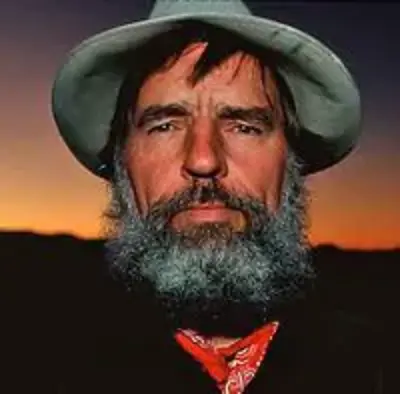
Edward Paul Abbey was an American author and essayist noted for his advocacy of environmental issues and criticism of public land policies. His best-known works include Desert Solitaire, a non-fiction autobiographical account of his time as a park ranger at Arches National Park considered to be an iconic work of nature writing and a staple of early environmentalist writing; the novel The Monkey Wrench Gang, which has been cited as an inspiration by environmentalists and groups defending nature by various means, also called eco-warriors; his novel Hayduke Lives; and his essay collections Down the River (with Henry Thoreau & Other Friends) (1982) and One Life at a Time, Please (1988).
