Abraham Maslow Quotes
Secrecy, censorship, dishonesty, and blocking of communication threaten all the basic needs.
Maslow, Abraham H. Motivation and Personality. Harper & Brothers, 1954, p. 92.


Before the Communists, the Nationalist Chinese government controlled the press even more so than the Communists did. And the Chinese Emperors before the Nationalists had a well educated elite of administrators who ran the government but the great mass of the people knew virtually nothing other than what the rulers wanted them to know. With mass illiteracy, there was no efficient way to communicate with the masses anyway. China, with a history of great intellectual accomplishment, has had the most ignorant people in the world by virtue of its size and general illiteracy.


As hard as it is for us to imagine today, while her husband was President of the United States, the First Lady wrote a nationally syndicated newspaper column every single day with politics frequently the subject. While she usually agreed with the President, there were occasions where they seemed to not see things exactly the same. She tended to be more liberal than he. However, there were those who believed that when she criticized politicians, it was with FDR’s knowledge and blessing and she sometimes did his “dirty work.” Eleanor Roosevelt was one of the most influential people in the country—certainly more-so than any First Lady before and since.


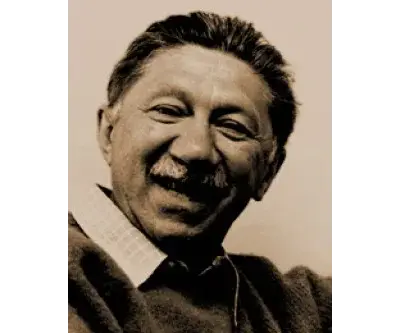
Abraham Harold Maslow was an American psychologist who was best known for creating Maslow's hierarchy of needs, a theory of psychological health predicated on fulfilling innate human needs in priority, culminating in self-actualization. Maslow was a psychology professor at Brandeis University, Brooklyn College, New School for Social Research, and Columbia University. He stressed the importance of focusing on the positive qualities in people, as opposed to treating them as a "bag of symptoms". A Review of General Psychology survey, published in 2002, ranked Maslow as the tenth most cited psychologist of the 20th century.
