Michelle Alexander Quotes
Prosecutors frequently overcharge, load up charges on individual defendants, knowing that three strikes laws and harsh mandatory minimum sentences will force people to plea bargain and essentially convict themselves because they're terrified of doing a life sentence for a relatively minor crime.
Alexander, Michelle. The New Jim Crow: Mass Incarceration in the Age of Colorblindness. The New Press, 2010, p. 86.

Many like Black were concerned that prosecutors had the power to decide who would be charged, with what crimes, what penalties to ask for, and even able to start or end investigations of private citizens and politicians. By overcharging they are able, if they choose, to intimidate many people into pleading guilty, even for crimes that the never committed, in order to avoid taking a chance and possible have a very long jail sentence. Thus they were the most powerful people in the legal system, and had more power and less accountability, checks and balances of any public figures except perhaps for Federal Judges.


The United States is almost unique among nations in their respect. While there are Federal law enforcement officers, the number is very small. For example, the entire Federal Bureau of Investigation complement of agents is outnumbered by one of the three shifts of the New York City Police Department. The vast majority of the police officers in America are not even at the State level; it is at the local level.


The interesting thing about this quotation is that he himself was a drug addict who illegally used drugs. However, when he finally got caught, the judge didn’t follow is “law and order” ranting. He got off without serving any jail time.

Because of the discretion and lack of transparency of prosecutors, she argues that the prosecutors are the weak link in the criminal justice system. Others believe that the weak link is the judges who are the most protected. See {631729}.


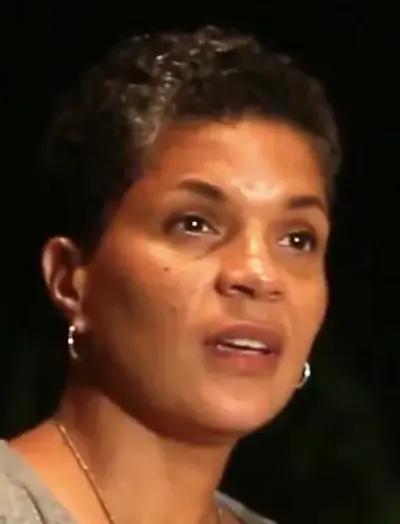
Michelle Alexander is a writer, civil rights advocate, and visiting professor at Union Theological Seminary (New York City). She is best known for her 2010 book The New Jim Crow: Mass Incarceration in the Age of Colorblindness, and is an opinion columnist for The New York Times.
