Daniel Ellsberg Quotes
President Johnson put destroyers in harm's way in the Tonkin Gulf not only once, but several times, with the, with a lot of his people hoping that it would lead to a confrontation and claiming that it had. And could have resulted in the lost of many lives in the course of it.
Ehrlich, Judith, and Rick Goldsmith, directors. The Most Dangerous Man in America: Daniel Ellsberg and the Pentagon Papers. First Run Features, 2009.


The ex-secretary was at the White House advising President Johnson on the Vietnam War. The President received bad military news and went into a tirade. Acheson walked out. A presidential assistant called him a few minutes later asking him to return. The President asked him to return and he did.

Boggs was working on some compromise positions that could be taken by the party at the 1968 Democratic National Convention to provide the anti war wing of the party with something. The President found out and met with Congressman Boggs.


Helms had very bad experience even in hinting at unfavorable news about the Vietnam War. See {634520}. He didn’t even send copies to his own executives, the White House Chief of Staff or the other White House staff like the National Security Advisor who would normally receive copies of top secret memos.


See the Macnama telephone quotation when the Joint Chiefs of Staff wanted many more combat soldiers in Vietnam. Johnson felt he had no political choice.


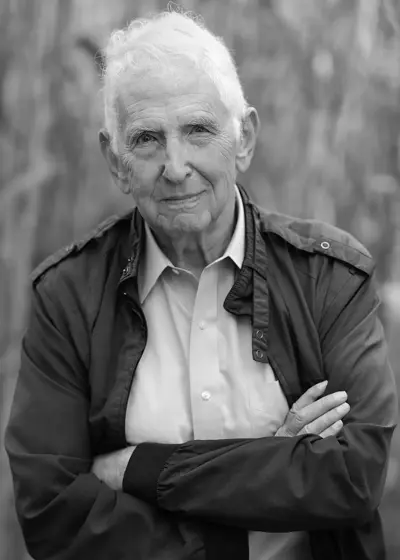
Daniel Ellsberg is an American economist, political activist, and former United States military analyst. While employed by the RAND Corporation, Ellsberg precipitated a national political controversy in 1971 when he released the Pentagon Papers, a top-secret Pentagon study of the U.S. government decision-making in relation to the Vietnam War, to The New York Times, The Washington Post and other newspapers.
