Samuel Pepys Quotes
Poorpeoplestaying intheir houses aslong astill thevery fire touched them, and then running into boats or clambering from one pair of stair by the waterside to another. And among other things, the poor pigeons I perceive were loath to leave their houses, but hovered about the windows and balconies till they were some of them burned, their wings, and fell down.
Pepys, Samuel. The Diary of Samuel Pepys. Edited by Henry B. Wheatley, vol. 5, George Bell & Sons, 1895, p. 419.


This is a significant quotation because the bombing of Hamburg was somewhat controversial. The Germans had bombed Warsaw, London and many other cities contravening the them accepted laws of war. The allies retaliated by bombing German cities where there was extensive war manufacturing; however, there were some allied war planners who saw the bombing of German cities as a way of breaking morale and shortening the war above and beyond the damage to the factories. A new technique had been used in bombing Hamburg—firebombing. Many thousand coordinated incendiary bombs ignited fires throughout the city which combined into a huge firestorm, killing even people with heat that were in air raid shelters. More than 100,000 Germans died—a greater toll than would later take place at Hiroshima and Nagasaki. There was some allied criticism that the firebombing just killed people but made the survivors even more adamant about continuing the fight, This quotation, from a leading German officer, supported the view that there was a strong positive military effect. The technique was repeated in Tokyo to even greater effect before the atomic bombed were ready. (The Japanese had also bombed civilian cities first as well as committed other atrocities.


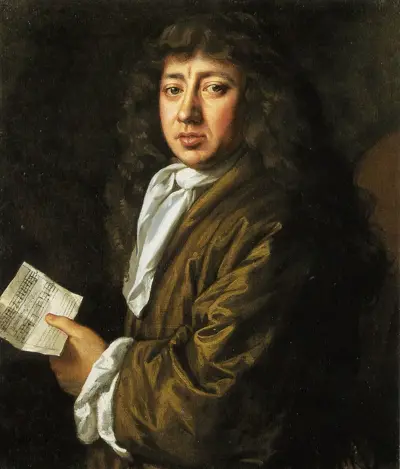
Samuel Pepys PRS was an administrator of the navy of England and Member of Parliament who is most famous for the diary he kept for a decade while still a relatively young man. Pepys had no maritime experience, but he rose to be the Chief Secretary to the Admiralty under both King Charles II and King James II through patronage, diligence, and his talent for administration. His influence and reforms at the Admiralty were important in the early professionalisation of the Royal Navy.
