Ambrose Bierce Quotes
Politics: A strife of interests masquerading as a contest of principles. The conduct of public affairs for private advantage.
Ambrose Bierce, 1842-1914?, Journalist & Political Columnist, The Devil's Dictionary 1906
Sourced by: Eigen's Political and Historical Quotations


See {640687}. He was then very worried about the influence of money in politics and was willing to risk his own reelection by limiting his contributions. And he was the Republican presidential candidate so his policy was particularly unusual. A century later money in politics had ballooned to a much larger problem as Taft’s action had little or no effect on the overall relationship between money and politics outside of his campaign.


He was not very good at it. Taft was an excellent Supreme Court Justice, and had good management skills, but could never get the hang of relating to people—the electorate or the Congress. He is the only major party presidential candidate to come in 3rd, and he was the incumbent. Administratively, he had not been a bad President but his poor people skills required him to pander to the right wing base of his own party and this angered his former mentor Theodore Roosevelt who ran against Taft in the Republican primary. Taft moved to the right still further and so angered TR that he ran against Taft as an independent in the general election. Woodrow Wilson won, but Roosevelt came in second and beat Taft handily.


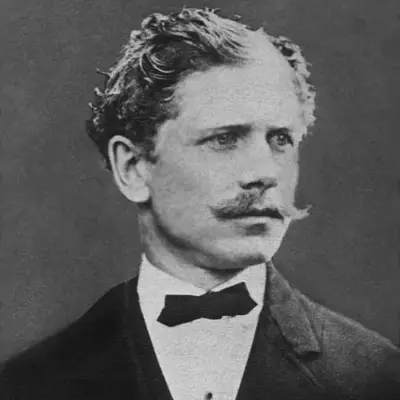
Ambrose Gwinnett Bierce was an American short story writer, journalist, poet, and Civil War veteran. His book The Devil's Dictionary was named as one of "The 100 Greatest Masterpieces of American Literature" by the American Revolution Bicentennial Administration. His story "An Occurrence at Owl Creek Bridge" has been described as "one of the most famous and frequently anthologized stories in American literature"; and his book Tales of Soldiers and Civilians (also published as In the Midst of Life) was named by the Grolier Club as one of the 100 most influential American books printed before 1900.
