Calvin Coolidge Quotes
Patriotism is easy to understand in America. It means looking out for yourself while looking out for your country.
Calvin Coolidge, 1872-1933, 30th President of the United States (Republican, MA), Attributed
Sourced by: Eigen's Political and Historical Quotations

For variations on this theme see Stephen Decatur, Meyer London, John Jordan Crittendon and Carl Schurtz


Saloth Sar Pol Pot. He was responsible for the brutal killing of over 1 million of his own people.


He asked for a lawyer, and was laughed at. He was jailed for 30 days and he never forgot it, even when he became the most highly paid writer in American history.

1st Earl Lloyd-George of Dwyfor


This is another example of a common practice amongst dictators and extremists of the Right and the Left. First they define “Patriotic” as accepting and following their norms, politics, regulations or laws. Then they define out any dissidents as not bona fide citizens of the nation. In the next step, the lack of citizenship and patriotism allows imprisonment, torture and even death at times. It is one thing to accuse dissidents as being citizens in opposition to the existing government; it is quite another to define them as no longer a citizen who is entitled to the respect or rights of a citizen. This was typical of both Soviet Communism in the 1950s and the followers of Senator Joseph p. McCarthy in the United States.
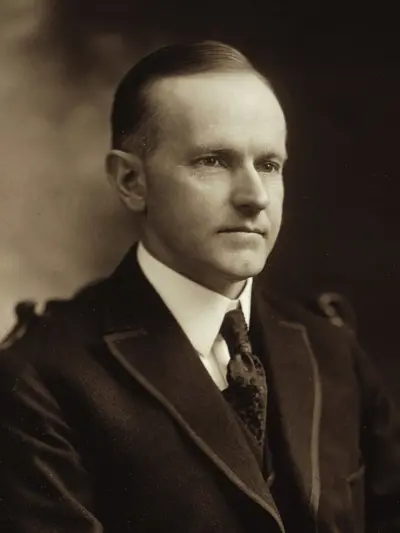
Calvin Coolidge was an American lawyer and politician who served as the 30th president of the United States from 1923 to 1929. A Republican lawyer from New England, born in Vermont, Coolidge worked his way up the ladder of Massachusetts state politics, eventually becoming governor of Massachusetts. His response to the Boston Police Strike of 1919 thrust him into the national spotlight and gave him a reputation as a man of decisive action. The next year, he was elected the 29th vice president of the United States, and he succeeded to the presidency upon the sudden death of Warren G. Harding in 1923. Elected in his own right in 1924, he gained a reputation as a small-government conservative and also as a man who said very little and had a rather dry sense of humor.
