Timothy Thomas Fortune Quotes
Our history in this country dates from the moment that restless men among us became restless under oppression and rose against it . . . Agitation, contentions, ceaseless unrest, constant aspiring -- a race so moved must prevail.
Fortune, Timothy Thomas. "Address to the National Afro-American League." 15 Jan. 1890, Chicago.


He was elected to Parliament while in jail and never took his seat as he died of a hunger strike in jail.


The veiled threat of violence and disruption was a tactic that did not work.


This quotation is used by the moderate Egyptians and other moderate Arab leaders as well as Israelis and other experts in combating Islamic Fundamentalism to illustrate the thinking process of the Muslim fundamentalist terrorist leader. They are more than willing to sacrifice those they lead (though rarely themselves) if they think that something is to be gained. But if there is nothing to be gained, their “moral” responsibility requires not “wasting” their followers’ lives. Therefore, the way these experts believe they should deal with the radicals is to face them with overwhelming force (a variant of the Powell Doctrine) and never concede anything or let them gain anything from violence. A single concession makes the terrorism, sacrifice and violence worthwhile, but if there is no gain, the leader has wasted the lives of his followers and is less likely to initiate another attack.

Germany, after its defeat in WWI was going through massive demonstrations and strikes. The government kept issuing bulletins that “Order Prevails” and the like. Luxemburg’s rhetoric and writing was so damaging to the government that they had her assassinated shortly after this statement.
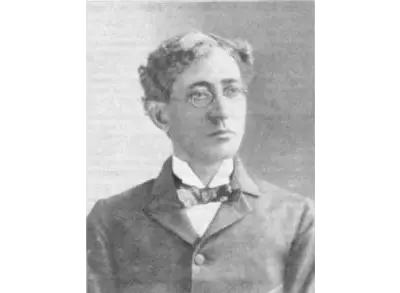
Timothy Thomas Fortune was an American orator, civil rights leader, journalist, writer, editor and publisher. He was the highly influential editor of the nation's leading black newspaper The New York Age and was the leading economist in the black community. He was a long-time adviser to Booker T. Washington and was the editor of Washington's first autobiography, The Story of My Life and Work. Fortune's philosophy of militant agitation on behalf of the rights of black people laid one of the foundations of the Civil Rights Movement.
