Earl Blumenauer Quotes
Our community is like many around the country that have, as the gentleman from New York referenced, sophisticated planning and zoning regulations. These are elements that are developed as a result of local community pressure to balance interests.
United States, Congress, House. Congressional Record. Government Printing Office, 3 Nov. 2005.


This quotation is notable because it illustrates some of the ideas about cities that were suggested at the time. The growth of the suburbs was the largest of the changes that actually tool place.


His police department had reduced gang violence and even killings by over 50 percent by financing and operating dances, cookouts, concerts and other positive activities in the city’s parks and other open spaces. The cost was over $6 million and with this quotation he was justifying the program.
A restrictive covenant was a condition that was written into the deed on a piece of property. Even if the owner of the home did not want to discriminate, the previous owners who wrote the restrictive covenant into the deed (or his relatives and heirs) could sue and invalidate the sale. In many cases, insurance would not sell title insurance or banks would not give mortgages for a Black or a Jew where there was a covenant in the deed, even if the covenant was more than 100 years old. Homeowner associations would also enforce the covenants which were originally written into all the deeds of the development. 5 years after this was written, President Harry S Truman ordered that protective covenants be challenged as unconstitutional before the Supreme Court. Once the supreme court ruled that restrictive covenants were unconstitutional, no court would enforce any of these lawsuits.
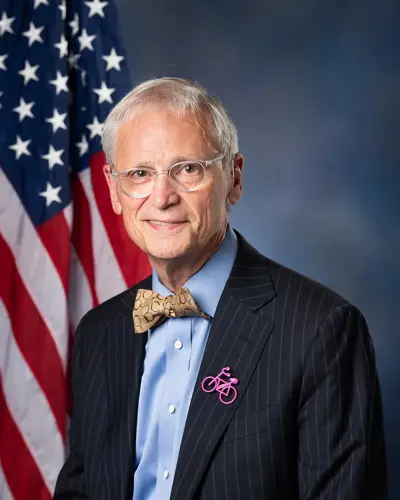
Earl Francis Blumenauer is an American politician serving as the U.S. Representative for Oregon's 3rd congressional district since 1996. A member of the Democratic Party, his district includes most of Portland east of the Willamette River. Blumenauer previously spent over 20 years as a public official in Portland, including serving on the Portland City Council from 1987 until 1996, when he succeeded Ron Wyden in the U.S. House of Representatives, who had been elected to the U.S. Senate following the resignation of Bob Packwood.
