Scott Ritter Quotes
[Operation] Rockingham was spinning reports and emphasizing reports that showed non-compliance (by Iraq with UN inspections) and quashing those which showed compliance. It was cherry-picking intelligence.
Ritter, Scott. Interview by Neil Mackay. "The British spies who lied to you." The Sunday Herald, 8 June 2003.


Steinbeck also served as a journalist as did Earnest Hemmingway and other great American writers. In WWII there was a great deal of censorship and even more self censorship by the press. The result is that many of the U. S. military blunders were covered up on the grounds that it would not be good for the morale of the soldiers to know that their officers had made such tragic mistakes.

After the invasion, much of the intelligence upon which America relied on Invading Iraq turned out to be completely wrong. It turned out that the Vice President at least, a major supporter of the invasion, had a role in “shaping” the intelligence and analysis to achieve a policy objective.


This has been true in just about every conflict. In WWII however, there were a highly disproportionate ration of atrocities with those of the axis forces dwarfing those of the U. S. and its allies. Further, after the war, those allied atrocities that did take place were published. In addition, one basic difference is in the policies of the fighting forces and their governments as opposed to individual actions by soldiers. In WWII, the allied atrocities were of the latter type, but the axis atrocities involved both.


Bill Casey had an individual ideology of the world and being a strong administrator imposed that on most of intelligence analyses that the agency did during his tenure.


_0_PostageStamp_47x47.jpg "Chairman of the Joint Chiefs of Staff Navy Adm. Mike Mullen gives an interview to John Dickerson during the CBS news program Face the Nation in Washington, D.C., July 5, 2009. During the interview, Mullen discussed the wars in Iraq and Afghanistan, North Korea's recent missile tests and his recent visit to Russia. (DoD photo by Mass Communication Specialist 1st Class Chad J. McNeeley, U.S. Navy/Released)")


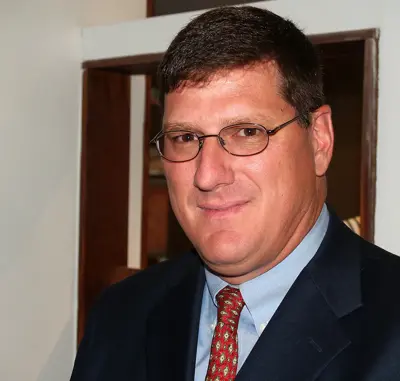
William Scott Ritter Jr. is a former United Nations weapons inspector in Iraq from 1991 to 1998. He later became a critic of United States foreign policy in the Middle East. Prior to the invasion of Iraq in March 2003, Ritter stated that Iraq possessed no significant weapons of mass destruction (WMD) capabilities, becoming according to The New York Times "the loudest and most credible skeptic of the Bush administration’s contention that Hussein was hiding weapons of mass destruction."
