Slobodan Milosevic Quotes
One mistake followed the other, and the price was in human lives.
Milosevic was explaining the events that led to civil war in Yugoslavia
Slobodan Milosevic, President of Serbia, Statement while on trial for war crimes in the Hague
Sourced by: Eigen's Political and Historical Quotations


The only soldier ever so honored


Sherman had friends in the South and he saw rebellion and war coming. Most Southerners had a romanticized view of war and were so wrapped up in trying to preserve their economic and cultural way of life that they did not think through the implications of such a war. After and during the war, he was particularly angry with the Southerners who had brought such terrible casualties and destruction upon the land and its people.


Although the Yugoslav casualties were horrific, they inflicted great casualties on the Germans who lost more men fighting the Yugoslavs than they lost to any other of the allies except the Russians.

This may have been the origin of the famous Stalin later quotation of very similar sentiment {616657}. No one is certain if Stalin had ever seen this work. Or he might have come upon it independently. The original source does not mention Massigli by name. However the description of the “Diplomat vom Quai d’Orsay” fits Massigli and his expertise so we attribute it to him. However, he was not the first to express this idea. The Anglican Bishop of London, Beilby Porteus, appears to have been the earliest—See {627489}.


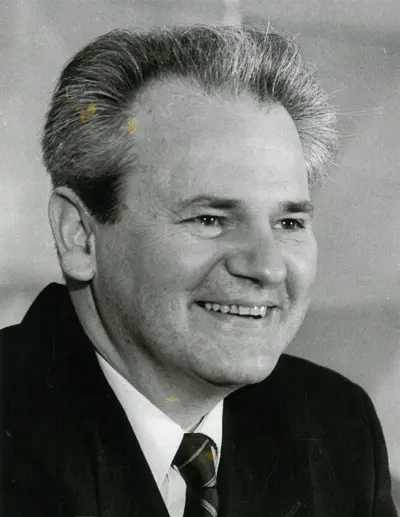
Slobodan Milošević was a Yugoslav and Serbian politician who served as the President of Serbia (originally the Socialist Republic of Serbia, a constituent republic within the Socialist Federal Republic of Yugoslavia) from 1989 to 1992 and within the Federal Republic of Yugoslavia from 1992 to 1997, and President of the Federal Republic of Yugoslavia from 1997 to 2000. He led the Socialist Party of Serbia from its foundation in 1990 and rose to power as Serbian President during efforts to reform the 1974 Constitution of Yugoslavia in response to alleged marginalization of Serbia, views that Serbia's autonomous provinces had too much power, making them almost independent from Serbia, and claims of political incapacity to deter Albanian separatist unrest in Serbia's autonomous province of Kosovo.
