Stephen Cambone Quotes
One is to ensure that the war fighters and the intelligence analysts get the information that they need when they need it, in a format that's useful to them.
Cambone, Stephen. "DoD News Briefing on Horizontal Integration." U.S. Department of Defense, 2004.

He was appointed by President Nixon to head a "blue ribbon panel" to review the Department of Defense, and announced the conclusions:
His concern was well placed. For over half a century thereafter, the tail did wag the dog, and while there have been many successful covert operations, the risk and current pressure siphoned off talent and management attention from intelligence—the Central Intelligence Agency’s primary job.


even though in this case the objective The State Department, the Defense Department and most important President Kennedy had decided to get rid of Diem. Most of the Central Intelligence Agency thought that this was a very unwise policy, because Diem was a known risk, and the people who would replace him and their talents and policies were unknown. The negatives of Diem—the facts that he, a Christian, was persecuting the majority Buddhists, was totally corrupt, and not a very good leader was less distressful to the CIA than to the President and the other agencies as the intelligence agency frequently not only tolerated “offensive” allies, but actually employed them including war criminals. Another importance of this quotation is that it shows that it was by no means certain that the CIA would always follow the orders of the President and the government policy makers. Colby, who was not the agency director at that time but was the head of the South East Bureau, was one high level official who argued that the policies should always be followed even if they were unwise or foolish. Another importance of this quotation is that it illustrate a common error that administrations are frequently forced to make: making a policy decision to eliminate a problem while not having much of an idea of what the alternative or consequence would be when the policy is implemented. The Syrian Civil War in 2013 was a good example. The Government side appeared to have used Chemical Warfare on Civilians and public opinion demanded that we do something. However, having a no-fly zone or any of the alternatives to prevent (punish) the government for the Chemical Warfare would strengthen the rebel side which was made up of numerous factions—some of which were known Islamic fundamentalist terrorists and jihadists. If the balance of power were tipped toward the rebels, the consequence for the American national interests were unknown—just as the consequence of ousting Diem was unknown and turned out to also be bad and was probably worse.


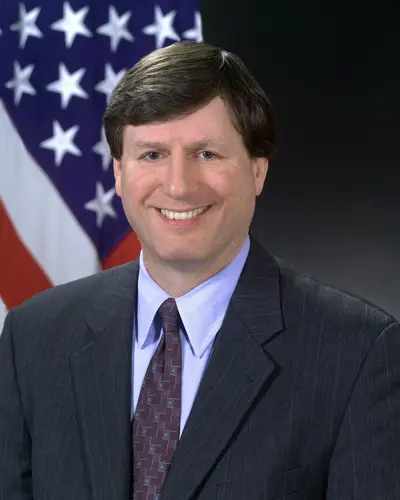
Stephen Anthony Cambone was the first United States Under Secretary of Defense for Intelligence, a post created in March 2003. Cambone first came to the attention of the public at large during the testimony of Major General Antonio Taguba before the U.S. Senate Armed Services Committee, where he disputed the General's statement that prison guards were under the effective control of military intelligence personnel and interrogators. Cambone resigned at the beginning of 2007 and was replaced by James R. Clapper, Jr., former head of the Defense Intelligence Agency (DIA) and the National Geospatial-Intelligence Agency. Cambone was associated with the Project for the New American Century, participating in the study which resulted in the writing of the report Rebuilding America's Defenses.
