Herman Gorter Quotes
Of course you know this difference as well as I do, only you failed to draw from it the conclusions for the tactics in Western Europe, at least as far as I am able to judge from your works.
Gorter, Herman. Open Letter to Comrade Lenin. Wildcat, 1989.

Not understanding this point has been the cause of much difficulty for military leaders from the war of 1812 through the Iraq war, the success or failure of the effort depended on a successful peace.

Ironically, Lieberman was using this quotation to campaign against Bush’s son, George W. Bush.

Clark had commanded the American and NATO forces in the Serbian War where all the military and political objectives were accomplished with heavy losses to the Serbian’s and none to the allied side—what many think was the most successful war in American History. Like Eisenhower in WWII one great challenge was the political and strategic one of keeping the coalition of all the allied governments working together. His perspective had been like Eisenhower’s which was much wider and geopolitical than most military officers.


Prior to this the Japanese had not even considered what terms they might fight for if there were to be a peace negotiation. What the Japanese leadership apparently totally missed was the fact that President Roosevelt and all other American leaders throughout the war had promised that only unconditional surrender would be acceptable. This was reiterated in a Joint Declaration of the U. S. , China, and Great Britain. The Japanese thought this just propaganda and never took it seriously.


1st Earl Baldwin of Bewdley. Though members of the same Conservative Party, Churchill was a major opponent of Baldwin’s peace and “appeasement” efforts and publicly castigated Prime Minister Baldwin. Yet Baldwin, if he could not stave off war, wanted his critic to serve as Prime Minister if war was inevitable. Churchill never had much respect for Baldwin. See {626930}.


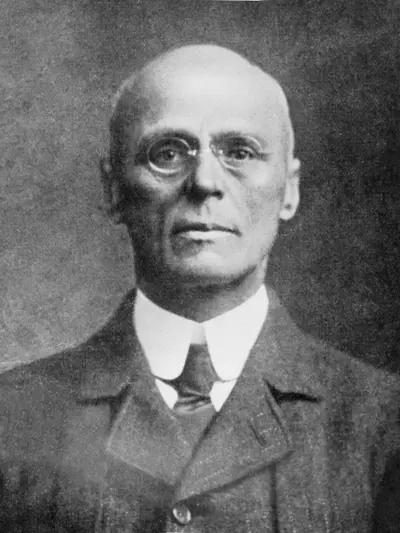
Herman Gorter was a Dutch poet and socialist. He was a leading member of the Tachtigers, a highly influential group of Dutch writers who worked together in Amsterdam in the 1880s, centered on De Nieuwe Gids (The New Guide).
