Douglas Brinkley Quotes
Nobody has trusted the Iranian government from day one, but the idea of just refusing to have any kind of talks is dangerous in the extreme. Every administration says at least that we're trying to have talks between Israel and Palestine and solve the Middle East peace problem.
Brinkley, Douglas. Interview by Bob Schieffer. Face the Nation, CBS, 5 Apr. 2015.


At that time the Israelis had been rebuffed after offing several major peace proposals and most were convinced that the Palestinians were so fractionated that no one would dare sign a peace even giving Palestinians their own state and sharing Jerusalem as the capital. So they just organized around security needs and walling Israel off from terrorist attacks while maintaining the occupation until something radially changes amongst the Palestinians. At that time there was little point to most Israelis to debating terms of a peace treaty as the odds of ever getting one in the next couple of years were about the same as their going to Mars.


With this statement, Sadat did what no Arab had ever dared to do—offer to negotiate with Israel. It led to the great peace breakthrough which produced the Arab-Israeli peace.


Although Great Britain had abolished slavery, British economic interests during the Civil War suffered because of the northern blockade of the South. Much political opinion in England was hostile to the blockade policies of the Union. Bright, a great admirer and supporter of the United Sates and the Union cause was concerned that the United States might drift into War with Great Britain. His letter to Senator Sumner was written with the understanding that it would be in shared with President Lincoln, and it was actually read at a cabinet meeting.
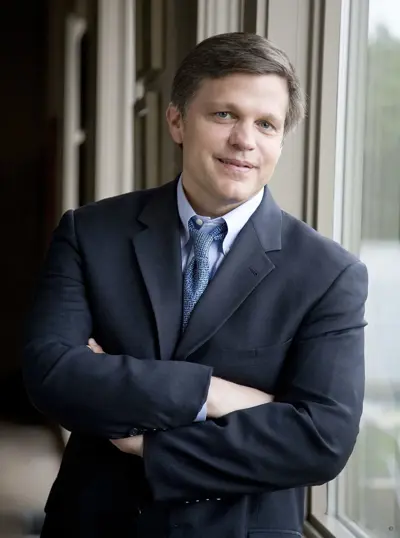
Douglas Brinkley is an American author, Katherine Tsanoff Brown Chair in Humanities and professor of history at Rice University. Brinkley is the history commentator for CNN, Presidential Historian for the New York Historical Society, and a contributing editor to the magazine Vanity Fair. He is a public spokesperson on conservation issues. He joined the faculty of Rice University as a professor of history in 2007.
