Claude McKay Quotes
Nations, like plants and human beings, grow. And if the development is thwarted they are dwarfed and overshadowed.
McKay, Claude. A Long Way from Home. Lee Furman, 1937.


Tragically, the world paid a terrible price for the German upheaval before the better world finally emerged.


In order to develop the country she invited immigrants to come to Russia and many did at the same time that England was encouraging immigrants to develop the lands and resources of America


This philosophical point of view is at odds with that of many Native Americans.


Lieber in 1860 was assigned by President Lincoln to study the then international laws of war and prepare a manual for the guidance of union troops in the Civil War. Lincoln then issued the document as a general order, and much of today’s military rules of conduct came from that effort.


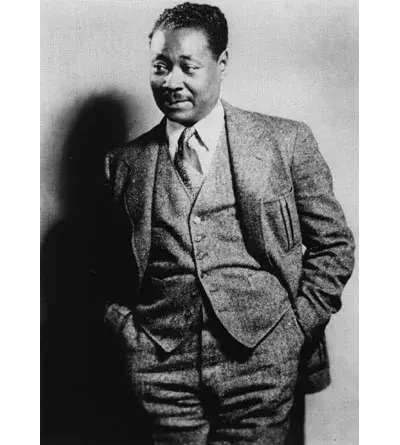
Festus Claudius McKay was a Jamaican writer and poet, and was a central figure in the Harlem Renaissance. In 1919 McKay wrote "If We Must Die", one of his best known works. He wrote five novels: Home to Harlem (1928), a best-seller that won the Harmon Gold Award for Literature, Banjo (1929), Banana Bottom (1933), Romance in Marseille (published in 2020), and in 1941 a manuscript called Amiable With Big Teeth: A Novel of the Love Affair Between the Communists and the Poor Black Sheep of Harlem which remained unpublished until 2017. McKay also authored collections of poetry, a collection of short stories, Gingertown (1932), two autobiographical books, A Long Way from Home (1937) and My Green Hills of Jamaica (published posthumously in 1979), and non-fiction, a socio-historical treatise entitled Harlem: Negro Metropolis (1940). His 1922 poetry collection, Harlem Shadows, was among the first books published during the Harlem Renaissance. His Selected Poems was published posthumously, in 1953.
