Book of Micah Quotes
Nation shall speak peace unto nation.
Old Testament, Micah 4:3
Sourced by: Eigen's Political and Historical Quotations


Actually drafted by Secretary of State, John Foster Dulles

In his younger days Jinnah was considered one of the greatest of the Indian Politicians in the Congress Party and all of India. Even though he was a Muslim, his leadership and political philosophy was appreciated by educated and politically active Indians of all faiths and casts. He was also so considered by the English Viceroy and his staff and noted by the politicians in England as a man who could bring Indians together without regard for religious or socio-economic status. He underwent a number of personal tragedies and changed radically until he was not only a sectarian Muslim leader but threatened and facilitated Islamic terrorism against all the other religions. Jinnah's flip flop on this point led to one of the great massacres and tragedies in human history" The Nightingale of India


She had gone to Europe where the 2nd World War was raging.

There were many who believed that a thriving growth economy depended in part on wartime military spending levels. The issue is still controversial.


Mohamed Anwar El-Sedat. For a nation to be on a war footing diverts a huge proportion of its resources from development and raising the standard of living of the population. Nations like Costa Rica and Tunisia with not only peace but no army to maintain have been able to develop at much greater rates than their neighbors who supported military establishments.
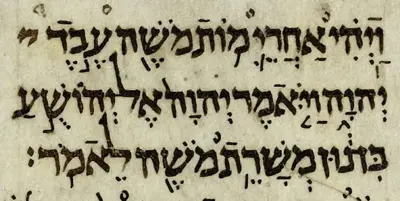
The Book of Micah is the sixth of the twelve minor prophets in the Hebrew Bible. Ostensibly, it records the sayings of Micah, whose name is Mikayahu (Hebrew: מִיכָיָ֫הוּ), meaning "Who is like Yahweh?", an 8th-century BCE prophet from the village of Moresheth in Judah (Hebrew name from the opening verse: מיכה המרשתי).
