Georges Clemenceau Quotes
My home policy? I wage war. My foreign policy? I wage war. Always, everywhere, I wage war.
Georges Clemenceau, 1841-1929, French Premier & Journalist, Speech, Chamber of Deputies, March 8, 1918
Sourced by: Eigen's Political and Historical Quotations


Although Great Britain had abolished slavery, British economic interests during the Civil War suffered because of the northern blockade of the South. Much political opinion in England was hostile to the blockade policies of the Union. Bright, a great admirer and supporter of the United Sates and the Union cause was concerned that the United States might drift into War with Great Britain. His letter to Senator Sumner was written with the understanding that it would be in shared with President Lincoln, and it was actually read at a cabinet meeting.


King George did not want to give up the American Colonies and claimed the loss at Yorktown was just a loss of a single battle. The English soldiers had controlled New York, Charlestown and other places and American Tories wanted to fighting to continue. The French were having major problems elsewhere and the states were all broke from the war effort. Hamilton urged Clinton to offer all the New York offers and soldiers half pay tp be available to fight against the other ex-colonies represented in the Continental Congress.


The meaning is that to be victorious in war one should not be inhibited from doing cruel and brutal things that war sometimes necessitates.

He himself became a victim of the Civil War when Oliver Cromwell ordered him beheaded in 1658

1st Earl Lloyd-George of Dwyfor


There were some British politicians who had considered the possibility of supporting the South in the Civil War to assure their supply of cheap cotton. Entering the war by allying with the Confederacy was also a possibility. Lincoln used this phrase and instructed Adams to use that with the British politicians as the result if England get involved with the American Civil war. It is the closest phrase to “World War” until WWI.


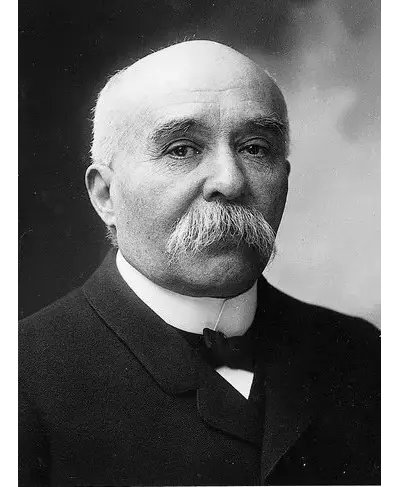
Georges Eugène Benjamin Clemenceau was a French statesman who served as Prime Minister of France from 1906 to 1909 and again from 1917 until 1920. A popular figure of the Independent Radicals, he played a central role in the politics of the Third Republic, most notably successfully leading the country through the end of the First World War.
