Henry David Thoreau Quotes
Must the citizen ever for a moment, or in the least degree, resigns his conscience to the legislator? Why has every man a conscience then? I think that we should be men first, and subjects afterward.
Thoreau, Henry David. "Resistance to Civil Government." Æsthetic Papers, edited by Elizabeth P. Peabody, The Editor, 1849.


Wayland, felt slavery was immoral and against the world of God. But he sought a middle-of-the-road position to keep his religion from schism and his University Trustees from conflict. The Baptist Churches of America were split asunder by the slavery issue. Wayland, who represented both the Northern abolitionist-leaning Baptist Churches and the Southern pro slavery churches, tried to forge a middle ground whereby slavery would end by the moral enlightenment of man and his love for fellow man as opposed to by legislation or economic pressure. He successfully predicted the outcome of the conflict except for one error he made. The conflict DID end slavery. The Baptist Church finally split into southern and northern wings in 1845. To this day, the Southern Church is extremely conservative, and fundamentalist; the Northern, very liberal and modern.


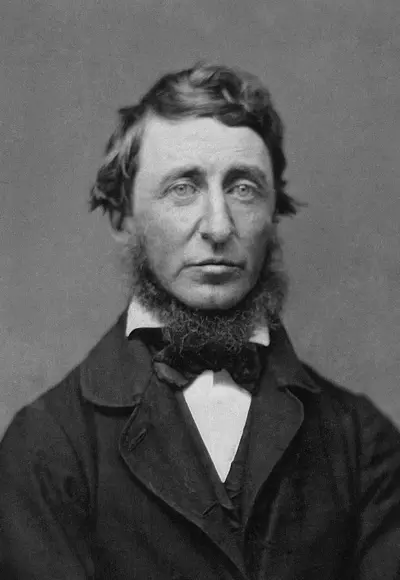
Henry David Thoreau was an American naturalist, essayist, poet, and philosopher. A leading transcendentalist, he is best known for his book Walden, a reflection upon simple living in natural surroundings, and his essay "Civil Disobedience" (originally published as "Resistance to Civil Government"), an argument for disobedience to an unjust state.
