William Shakespeare Quotes
Milk-livered man,
That bear'st a cheek for blows, a head for wrongs;
Who hast not in thy brows an eye discerning
Thine honor from thy suffering; [that not know'st
Fools do those villains pity who are punished
Ere they have done their mischief. Where's thy drum?
France spreads his banners in our noiseless land,
With plumed helm thy state begins to threat,
Whilst thou, a moral fool, sits still and cries
'Alack, why does he so?']
Shakespeare, William. King Lear. Edited by Barbara A. Mowat and Paul Werstine, Simon & Schuster, 1993, act 4, sc. 2, lines 50-59.


His documentation of Bushido—the way of the warrior—has influenced Japanese culture and behavior even into modern times. This statement in large part explained the behavior of Japanese troops in WWII. Surrender was considered cowardice and therefore fighting to the death was required of all Japanese. This particular work was studied by American experts on Japan and the assumption that this was the Japanese cultural imperative for soldier and civilian alike, was one of the major factors leading Truman and America to use the Atomic bomb in WWII for they did not anticipate any Japanese surrender otherwise and an invasion of the Japanese mainland would have killed more Japanese and many Americans as well. Even after the first atomic bomb on Hiroshima, the Japanese would not surrender and it took the Emperor to finally contradict the Japanese culture as stated in Yamamoto Tsunetomo’s writing. See also {586231}.

1st Earl of Beaconsfield


Ethiopia was constructing on the Blue Nile, the biggest hydroelectric dam in Africa,. The water supply to Egypt is possibly likely to be somewhat reduced. Since Egypt’s 85 million people get 97 percent of their fresh water from the Nile, this has become a major issue in Egypt. Of course when Egypt constructed the Aswan Dam they, they were not concerned by any environmental effects it might have on other nations,


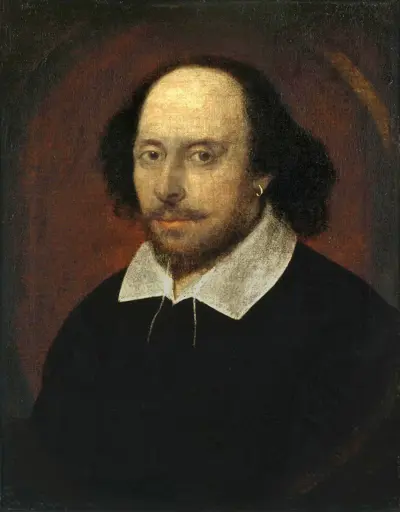
William Shakespeare was an English playwright, poet, and actor, widely regarded as the greatest writer in the English language and the world's greatest dramatist. He is often called England's national poet and the "Bard of Avon" (or simply "the Bard"). His extant works, including collaborations, consist of some 39 plays, 154 sonnets, three long narrative poems, and a few other verses, some of uncertain authorship. His plays have been translated into every major living language and are performed more often than those of any other playwright. They also continue to be studied and reinterpreted.
