Samuel Johnson Quotes
Men who stand in the highest ranks of society seldom hear of their faults; if by any accident an opprobrious clamour reaches their ears, flattery is always at hand to pour in her opiates, to quiet conviction and obtund remorse.
Johnson, Samuel. The Rambler, No. 172, 9 Nov. 1751.


At the time, the well-educated, elite class of Americans would rarely have anything to do with politics or public service towards the end of the 19th century. It was not part of the cultural expectation. Roosevelt was not only one of the rare exceptions, but he argued strongly to his Harvard and other Ivy League associates that they had a duty to become active. Few responded to his appeal but he set a precedent which over the years brought many talented men into politics and civil service.

Gehlen’s war crimes and knowledge thereof were overlooked setting a precedent for even allowing German and Japanese major war criminals into the United States. In those days, most men of substance belonged to one or more private clubs which was a important element of their social and professional lives. People of unsavory character were not welcome at such clubs.


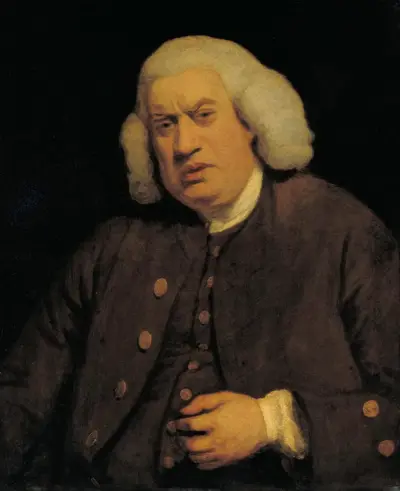
Samuel Johnson, often referred to as Dr Johnson, was an English writer who made lasting contributions to English literature as a poet, playwright, essayist, moralist, literary critic, biographer, editor, and lexicographer. Religiously, he was a devout Anglican, and politically a committed Tory. The Oxford Dictionary of National Biography describes Johnson as "arguably the most distinguished man of letters in English history". He is the subject of James Boswell's The Life of Samuel Johnson, described by Walter Jackson Bate as "the most famous single work of biographical art in the whole of literature".
