Andrew Lo Quotes
Many of us like to think of financial economics as a science, but complex events like the financial crisis suggest that this conceit may be more wishful thinking than reality.


Despite this warning, and the hundreds of billions of dollars of people’s money that was lost on derivatives, and recommendations for not allowing derivatives to bought or sold by institutions who invest the public’s money, derivatives were not outlawed by Congress in its efforts to reregulate the financial industry.


U. S. Treasury Secretary Larry Summers called Rajan a “Luddite” for this view, but what Rajan observed and predicted was exactly what happened in the Meltdown of 2008 which led to the Great Recession. Rajan was one of the few economists to call this right. Several, invested their own money assuming a crash and made billions. Most, like Summers and the Federal Reserve Chairmen in retrospect admitted that they missed the signs and didn’t connect the dots. See {637168}, {637987}, and {620038}

She had warned about the unregulated derivatives 10 years earlier, but to no avail. See {637987}. Then when she had been proven prescient in the Meltdown of 2008, Congress was more interested in how she thought they could prevent future problems with derivatives. Some were adopted but not all. The financial institutions claimed that they needed derivatives to hedge positions and hence “stabilize” the system. Of the members of Congress who voted on this issue, almost none understood derivatives and credit default swaps were and how they worked. But some were sure they were bad, and others were sure that they were necessary for stability. Derivatives can, and did, get so complicated that the people who originally created them sometimes cannot tell whether they are at risk or not. Even computer cannot calculate the value and risks of these instruments because the values and risks depend on what happens to other companies or instruments which themselves have derivatives insuring them. See {620038} for a good description of the difficulty.


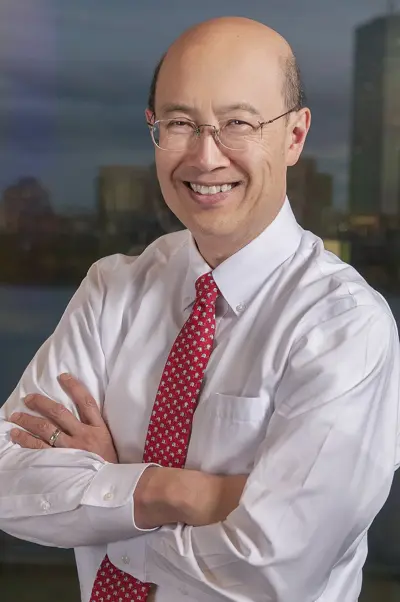
Andrew Wen-Chuan Lo (Chinese: 羅聞全) (born 1960) is the Charles E. and Susan T. Harris Professor of Finance at the MIT Sloan School of Management. Lo is the author of many academic articles in finance and financial economics. He founded AlphaSimplex Group in 1999 and served as Chairman and Chief Investment Strategist until 2018 when he transitioned to his current role as Chairman Emeritus and Senior Advisor.
