Emile Durkheim Quotes
Man's characteristic privilege is that the bond he accepts is not physical but moral; that is, social. He is governed not by a material environment brutally imposed on him, but by a conscience superior to his own, the superiority of which he feels. Because the greater, better part of his existence transcends the body, he escapes the body's yoke, but is subject to that of society.
Durkheim, Émile. Suicide: A Study in Sociology. Translated by John A. Spaulding and George Simpson, The Free Press, 1951, p. 252.


Locke is one of the few political writers who advocated intolerance of atheists, who actually tried to have a rational reason other to simply say that they are apostates and therefore unacceptable. His argument was that most of the legal system depends on witnesses and parties to contracts or loyalty who swear before God that they are telling the truth and will be bound by their own salvation to complying with their promises and commitments. The atheist, however, fears no retribution if he lies under oath and he does not worry about his salvation if he breaks his oath. The fallacy was that the system never really worked with the religious people. With all the promises, covenants and oaths broken and repudiated by religious, “God-fearing men”, the atheists could hardly have done worse.


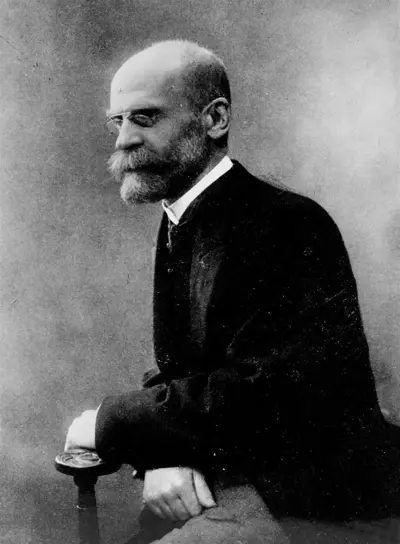
David Émile Durkheim was a French sociologist. He formally established the academic discipline of sociology and, with Max Weber, is commonly cited as the principal architect of modern social science.
