J. G. Ballard Quotes
Looking back, it puzzles me that my parents decided to stay in Shanghai when they must have known that war was imminent. But the cotton works were my father's responsibility, and duty then counted for something.
Ballard, J. G. Miracles of Life: Shanghai to Shepperton: An Autobiography. HarperCollins, 2008.


Other war criminals had committed suicide in conformity with the Japanese custom. But Tojo stayed alive so that he could take the responsibility from the Emperor Herohito who many Americans wanted tried for his actions and inactions during the war. But Tojo made an error. At the beginning of his trial he testified that he always obeyed the Emperor even though he was the Prime Minister and the head of government. Therefore, the Emperor was guilty of those crimes he had discussed with Tojo and the cabinet. Later, he was persuaded to change his testimony and said that he led the country to war and the Emperor wanted peace, a statement that few believed. See {587278}. While the Emperor had committed war crimes General MacArthur believed that the Emperor left in place and unpunished would make it easier to govern Japan, than if he were tried and punished. However, he and his staff fabricated a report to exonerate the Emperor rather than make his recommendation to his superiors and the President so they could either accept his view or not. He was a unilateralist in the administrative sense of the word. See {587279} for additional material on the Emperor’s guilt.


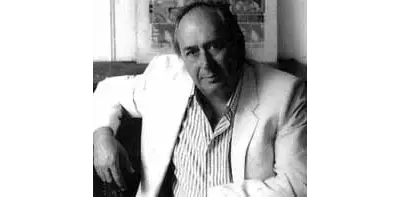
James Graham Ballard was an English novelist, short story writer, satirist, and essayist who first became associated with the New Wave of science fiction for his post-apocalyptic novels such as The Drowned World (1962). In the late 1960s, he produced a variety of experimental short stories (or "condensed novels"), such as those collected in the controversial The Atrocity Exhibition (1970). In the mid 1970s, Ballard published several novels, among them the highly controversial Crash (1973), a story about symphorophilia and car crash fetishism, and High-Rise (1975), a depiction of a luxury apartment building's descent into violent chaos.
