George Washington Quotes
Like as a wise man in time of peace prepares for war.


Versions of this proverb appear in many countries. Although the proverb originated in reference to military affairs, it is applicable to politics, leadership, management, and in the modern world is beginning to be applied to individuals and their careers and futures.


At the time 18 year old Douglas wanted to enlist to fight in the Philippines where his father was about to be given military command. Young Douglas took his father’s prescient advice and attended West Point instead. In an amazing historical precursor, General Arthur MacArthur ended up in policy disputes with the President over how aggressive American tactics should be. President Taft relieved MacArthur of his command.

Grant’s overall strategy of attrition of the Southern troops and interdicting supplies and targeting Southern manufacturing and transportation was taking its toll and the Confederates tried a desperate gamble. Robert E. Lee’s tried to attack the Union in the North—Pennsylvania and Maryland threatening Washington and hoping to force the Union to sue for peace. But that left the Eastern part of the Southern heartland relatively undefended. Grant and Sherman, noting the opportunity, then sent Sherman to take Atlanta and destroy all the factories, railroads, and warehouses of food, arms and munitions, then march to the sea and back up the Atlantic Seaboard, freeing slaves and destroying anything and everything that could support an Army and putting enormous pressure on the Southern men fighting with Lee to return home and prevent starvation as there were now few slaves to work the farms. It was the stroke that, as intended, crippled the Confederacy’s ability to wage war. But Grant and Sherman both credited the Southern strategy with opening the opportunity—hence it was the Confederacy that “planned” Sherman’s March. The details of the plan were worked out by Sherman and his staff.


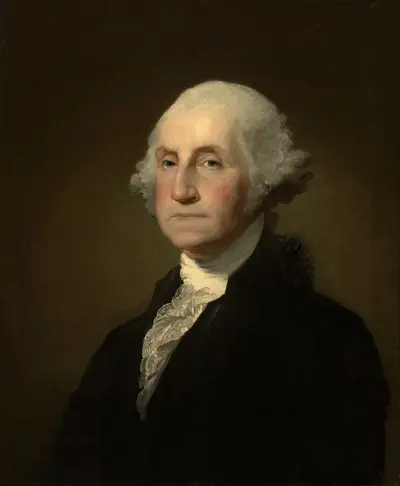
George Washington was the first President of the United States (1789-97), the Commander-in-Chief of the Continental Army during the American Revolutionary War, and one of the Founding Fathers of the United States. He presided over the convention that drafted the current United States Constitution and during his lifetime was called the "father of his country".
