John F. Kennedy Quotes
Let us never negotiate out of fear, but let us never fear to negotiate.
John F. Kennedy, 1917-1963, 35th President of the United States (Democrat, MA) Inaugural Address, January 20, 1961
Sourced by: Eigen's Political and Historical Quotations


When there is a serious problem with another country and it appears that military force may have to be used, he and most sophisticated policy makers argue that we should always try diplomacy first. If that does not work, then the military option is still open. If it does work, war or other military action is always available as an option. When politicians do not want to try diplomacy, it is usually that they have an ulterior motive for war and/or military force. Some urge caution with this principle in all cases as sometimes it gives the enemy time to regroup and rearm and he gets stronger by stringing out the negotiations with no intention of a diplomatic solution. In some other cases, as Iran in the second decade of the 21st century when they were suspected of developing a nuclear weapon. The Israeli right wing and some American conservatives wanted no delay in use of military force as that might allow the Iranians to complete an operational message. President Obama and most Americans favored strong economic sanctions with diplomacy first.

Often diplomats and negotiators, coming from different cultures and different counties, and having different points of view and previous experiences, don't even have the same view of that they are there for, what is the object of their negotiations, what the problem or problems are. Sullivan observes that this often takes more time than the actual negotiations.


By the standards of the rest of the world the North Korean policies and actions were at the time irrational and inconsistent and explained in a manner which defied any norms that any other nation’s leaders could understand and explain.


Although Great Britain had abolished slavery, British economic interests during the Civil War suffered because of the northern blockade of the South. Much political opinion in England was hostile to the blockade policies of the Union. Bright, a great admirer and supporter of the United Sates and the Union cause was concerned that the United States might drift into War with Great Britain. His letter to Senator Sumner was written with the understanding that it would be in shared with President Lincoln, and it was actually read at a cabinet meeting.


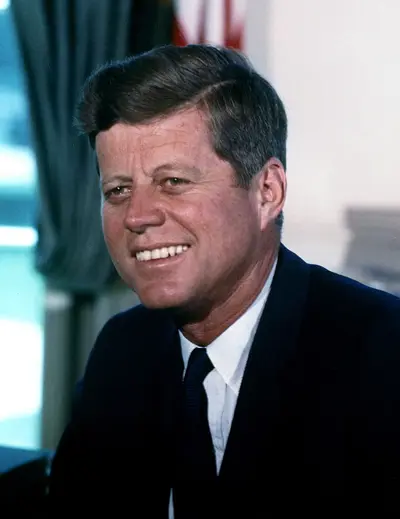
John Fitzgerald Kennedy, often referred to by his initials JFK, was an American politician who served as the 35th president of the United States from 1961 until his assassination in 1963. Kennedy served at the height of the Cold War, and the majority of his work as president concerned relations with the Soviet Union and Cuba. A Democrat, Kennedy represented Massachusetts in both houses of the U.S. Congress prior to becoming president.
