Margaret Chase Smith Quotes
Leadership is not manifested by coercion, even against the resented. Greatness is not manifested by unlimited pragmatism, which places such a high premium on the end justifying any means and any methods.
Margaret Chase Smith, 1897-1995, U. S. Senator (Republican, Maine), Declaration of Conscience, 1950
Sourced by: Eigen's Political and Historical Quotations


In the early 21st century America’s world image, credibility, and popularity had plummeted to new lows. The George W. Bush administration spent millions of dollars on public diplomacy – public relations, propaganda, and image building using the techniques of Madison Avenue to change the world perception of America. Veteran diplomats like Kissinger advised that the Bush was going about it backwards. If America did the right things, world opinion would appreciate it and America’s credibility will follow as it has throughout most of the 20th century. Most foreign politicians and journalists tended to agree. It had been Bush’s policies and practices that had been disliked. They were understood, it was argued, and did not need to be better explained—just changed.


Moses urged them not to accept a compromise what would give them the majority of everything that they were demanding but not all. See {637624} for Rustin’s’ argument to accept the compromise.
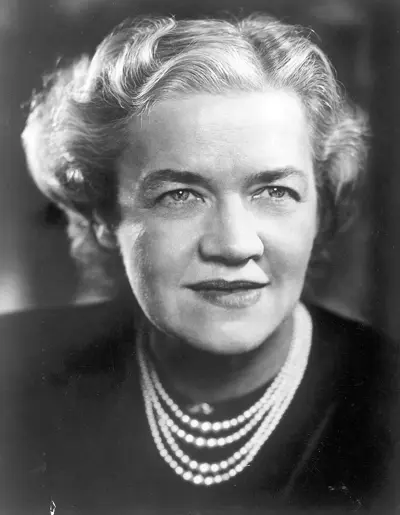
Margaret Madeline Chase Smith was an American politician. A member of the Republican Party, she served as a U.S Representative (1940–49) and a U.S. Senator (1949–73) from Maine. She was the first woman to serve in both houses of the United States Congress, and the first woman to represent Maine in either. A moderate Republican, she was among the first to criticize the tactics of Joseph McCarthy in her 1950 speech, "Declaration of Conscience". Smith was an unsuccessful candidate for the Republican nomination in the 1964 presidential election, but was the first woman to be placed in nomination for the presidency at a major party's convention.
