Warren Bennis Quotes
Leaders know the importance of having someone in their lives who will unfailingly and fearlessly tell them the truth.
Bennis, Warren. On Becoming a Leader. Addison-Wesley, 1989, p. 93.


He was very aware that there were three factors inhibiting staff members from speaking up to criticize a plan: Junior officers a reluctant to take a position that is in opposition to their superiors; many attendees see themselves as institutional representatives of their organization or sub organization and are reluctant to take a position different from that which was taken by the organization; after months of planning and the vast majority of other staff in support of a plan, most people are intimidated from raising a dissident point of view especially if they are the only one in the group with that view. Presidents, agency heads, commanders, and other leaders all face this problem. However many do not want any dissident opinions at the late stages of a planning process. The better leaders however do want those outlier opinions especially at the later stages. Eisenhower usually went out of his way to emphasize his desire for honest criticism and chided others who did not like criticism—see {637081} ,


At the time there was no Secrecy & Classification System nor any laws enforcing secrecy or confidentiality. However there was no freedom of information laws of expectations even on the part of journalists. This was the first Freedom of Information policy of the American government. Some politicians were more open than others but there was no national, governmental before this. There were however leakers and whistleblowers though the terms were not in use. Note that Roosevelt herein created the first whistle blower protection—himself.


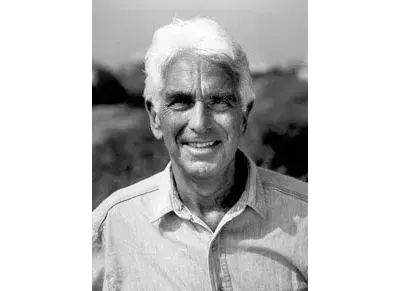
Warren Gamaliel Bennis was an American scholar, organizational consultant and author, widely regarded as a pioneer of the contemporary field of Leadership studies. Bennis was University Professor and Distinguished Professor of Business Administration and Founding Chairman of The Leadership Institute at the University of Southern California.
