Philip Stanhope, 4th Earl of Chesterfield Quotes
Keep your own secret, and get out other people's. Keep your own temper, and artfully warm other people's. Counterwork your rivalswith diligence and dexterity, but at the same time with the utmost personal civility to them: and be firm without heat.
Stanhope, Philip Dormer. Letters Written by the Late Right Honourable Philip Dormer Stanhope, Earl of Chesterfield, to His Son, Philip Stanhope, Esq. Vol. 3, J. Dodsley, 1774.


For the first time a woman was running for the presidency and she had a large following. However, there were still many who saw women as too emotional to be in leadership positions. Sarkozy did not want to anger many egalitarian French voters by appearing to be a sexist and attack a woman’s generic ability to lead. However, he cleverly waited for a moment in the debate where his opponent was particularly passionate about something. He gently chided her about it and she took the bait and very passionately and excitedly said that she had a right and obligation to be passionate about issues that affected millions of French lives. But as she did so she grew ever more passionate and forceful. Then Sarkozy struck with this quotation. The impression that the audience was left with is that Royal was a good woman who was properly concerned with issues but was just not ready for such a high position and did not quite have the demeanor that was needed for the Presidency. Sorkozy won the election the following week.
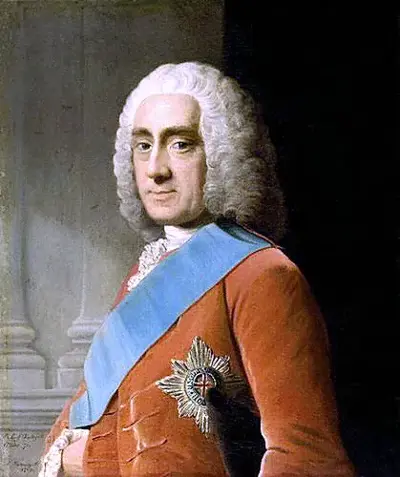
Philip Dormer Stanhope, 4th Earl of Chesterfield, was a British statesman, and a man of letters, and wit. Educated at Trinity Hall, Cambridge, he subsequently embarked on the Grand Tour of the Continent, to complete his education as a nobleman, by exposure to the cultural legacies of Classical antiquity and the Renaissance, and to become acquainted with his aristocratic counterparts and the polite society of Continental Europe.
