James Anthony Froude Quotes
Justice without wisdom is impossible.
Froude, James Anthony. Short Studies on Great Subjects. Longmans, Green, and Co., 1867.


Note that the two do NOT ALWAYS coincide. There are those who argue that law should be respected, right or wrong. There are also those who argue that law should be respected, only when it is in the right. Note also that “respect” and “obedience” are two different things. Some people argue that law and the courts and government must have respect. Others that they are only due obedience but not necessarily respect when they are in the wrong. Still others, like Thoreau, that obedience even is not required when the law is wrong. There are those who take this to the degree that obedience to a “wrong” law is wrong and there is a DUTY to disobey a wrong law. However, a more nuanced view does not treat all laws as the same importance. I may think a particular tax is unjust and wrong, but obedience does not necessarily have moral consequences. A law that says that people with a certain religion must not be hired, however, is sufficiently immoral that I am obliged to disobey it.


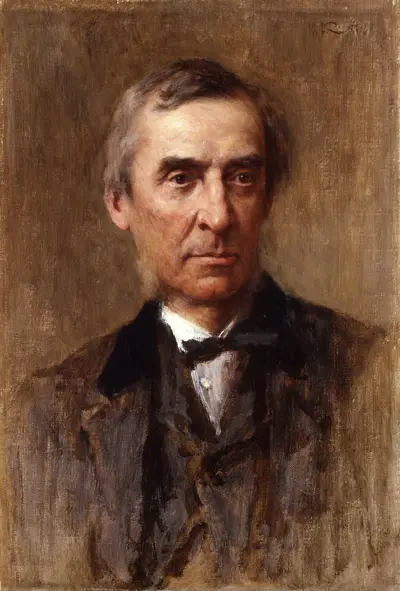
James Anthony Froude FRSE was an English historian, novelist, biographer, and editor of Fraser's Magazine. From his upbringing amidst the Anglo-Catholic Oxford Movement, Froude intended to become a clergyman, but doubts about the doctrines of the Anglican church, published in his scandalous 1849 novel The Nemesis of Faith, drove him to abandon his religious career. Froude turned to writing history, becoming one of the best known historians of his time for his History of England from the Fall of Wolsey to the Defeat of the Spanish Armada. Inspired by Thomas Carlyle, Froude's historical writings were often fiercely polemical, earning him a number of outspoken opponents. Froude continued to be controversial up until his death for his Life of Carlyle, which he published along with personal writings of Thomas and Jane Welsh Carlyle. These publications illuminated Carlyle's often selfish personality, and led to persistent gossip and discussion of the couple's marital problems.
