J. F. C. Fuller Quotes
Jackson possessed the brutality essential in war; Lee did not. He could clasp the hand of a wounded enemy, whilst Jackson ground his teeth and murmured, 'No quarter to the violators of our homes and firesides', and when someone deplored the necessity of destroying so many brave men, he exclaimed: 'No, shoot them all, I do not wish them to be brave.'
Fuller, J. F. C. Grant and Lee: A Study in Personality and Generalship. Eyre and Spottiswoode, 1933, p. 115.


See {613496} for the origin of the “thrashing a cannibal” phrase.

At that time there were extensive meetings and discussions for the creation of what was to be the United Nations. The negative view of the United Nations or other international security organization is now and always has been held by a vocal minority in the United States.

He was the first of the modern Western poets and is often referred to as the Father of the Humanities

During WWII, Mauldin was at the front lines and in the fox holes with the troops getting ideas for his cartoons most of which were drawn on the battle field;

He grossly underestimated the intensity of the American patriotic feeling and the fighting ability of the Colonists. He Commanded the Royal Marines at the Battle of Bunker Hill where he was killed by a shot fired by ex-slave and Black Patriot, Peter Salem. Note the recommendation to destroy towns. At the time, that was considered improper in warfare between nations, yet it was not so clear in fighting a rebellion. However, this was against British policy and it was not a tactic employed in trying to suppress the American Revolution.


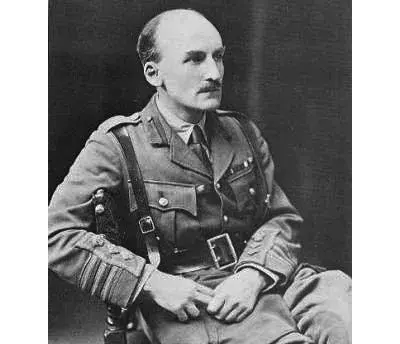
Major-General John Frederick Charles "Boney" Fuller CB CBE DSO was a senior British Army officer, military historian, and strategist, notable as an early theorist of modern armoured warfare, including categorising principles of warfare. With 45 books and many articles, he was a highly prolific author whose ideas reached army officers and the interested public. He explored the business of fighting, in terms of the relationship between warfare and social, political, and economic factors in the civilian sector. Fuller emphasised the potential of new weapons, especially tanks and aircraft, to stun a surprised enemy psychologically.
