George Eliot Quotes
It's them that take advantage that get advantage in this world.
Mary Ann Cross
George Eliot 1819-1880, Novelist, Adam Bede
Sourced by: Eigen's Political and Historical Quotations


This question has been used throughout history to determine the responsibility of men and nations as well as assess policies and legislation.


At the height of the Great Depression there were conservative politicians who were opposed to any form of relief or assistance for those in need. Their grounds were that if people got something for nothing, they would lose their moral compass—they would be demoralized. Lady Mosley, who was a member of one of the wealthiest families in England, embarrassed the opposition Conservatives by observing that the upper classes have gotten something for nothing for years and the moral base was still intact.


The term “rugged individualism” was used at the time be very conservatives and the very wealthy to describe business leladers with words that had very good public connotations. They argued that it would be undesirable to curtail their individualism that was so important by any government regulations or laws that would limit what the business leaders could do. However, the reality was that these very successful and powerful “rugged individualists” had regimented most everyone else—employees, consumers, and small businessmen who might sell them services or products. To Tugwell, if the wealthy and powerful few had no restrictions on their individualism, there would be precious little individualism for most of society. He sought a balance of regulating the individualism and prerogatives of the few somewhat in order to allow the vast majority of people to be able to have individuality as well.
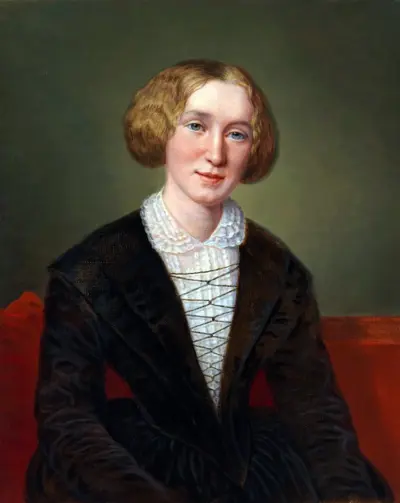
Mary Ann Evans, known by her pen name George Eliot, was an English novelist, poet, journalist, translator and one of the leading writers of the Victorian era. She wrote seven novels, Adam Bede (1859), The Mill on the Floss (1860), Silas Marner (1861), Romola (1862–63), Felix Holt, the Radical (1866), Middlemarch (1871–72) and Daniel Deronda (1876). Like Charles Dickens and Thomas Hardy, she emerged from provincial England and most of her works are set there. They are known for their realism, psychological insight, sense of place and detailed depiction of the countryside.
