James C. Goodale Quotes
Its refusal to stand by the newspaper was a decision that will live in legal infamy.
New York Times and obtained a copy of the highly secret Pentagon Papers showing that the government cad continued a pattern of deliberate deception in what they were telling Congress and the Public about the Vietnam war. The Government threatened criminal prosecution under the Espionage Act. Lord, Day & Lord was fearful that if they defended their client, they too might be prosecuted for committing a crime. Goodale hired other more courageous attorneys, who beat the Government in the Supreme Court. See {631958}, {614699}, {602309}, {628759}, and {633829}.
James C. Goodale, Chief Counsel for the New York Times, Condemnation of the “white shoe” law firm of Lord, Day & Lord, for refusing to defend the N.Y. Times right to publish the Pentagon Papers, The Inside Story of the Pentagon Papers and Other Battles, 2013
Sourced by: Eigen's Political and Historical Quotations

The Solicitor General had asked the Supreme Court in 1971 to prohibit the New York Times from publishing The Pentagon Papers on the grounds of national security. Later he wrote:

In 1971 New York Times published the Pentagon Papers which had been obtained from Daniel Ellsberg much to the distress of the administration. Two Nixon aides requested permission to break into the offices of Ellsberg's psychiatrist to obtain confidential medical records.

Reacting after reading parts of the Pentagon Papers, a study on the history of the Vietnam war he had ordered:


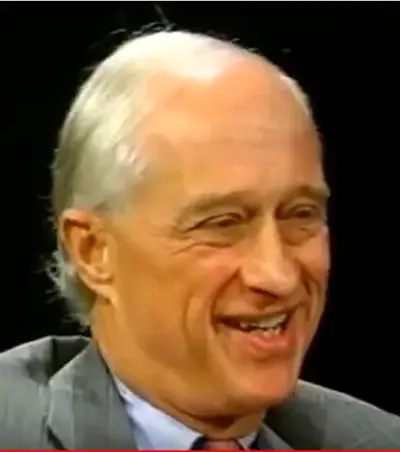
James C. Goodale was the vice president and general counsel for The New York Times and, later, the Times' vice chairman.
