Kimberle Williams Crenshaw Quotes
It's hard not to question whether the harsh verdict of Winnie Mandela is a reflection of discomfort with women warriors or, more broadly, with the militant ethos that ultimately became a foil for the popularized representation of Nelson Mandela as the open-armed father of a non-racial nation.


Referring to new laws that would be necessary after a proposed Declaration of Independence:


Billinghurst was physically handicapped without the use of her legs. She protested and marched in protest parades using a hand propelled tricycle which the police sometimes dumped her out of and left her immobile in alleys.


She did not identify with “feminists” because most of the ones she read and came into contact with tended to want to change the role of women in society. Selbert wanted them simply to have equal rights under the law, and then individually each could make of that what they would. She was very effective because she did not threaten men as much as many of the feminists of the time did. All she said she demanded was equal and fair treatment in the culture that existed. She probably knew that the equality in fact would lead to major changes in society, but she saw no point in discussing that.


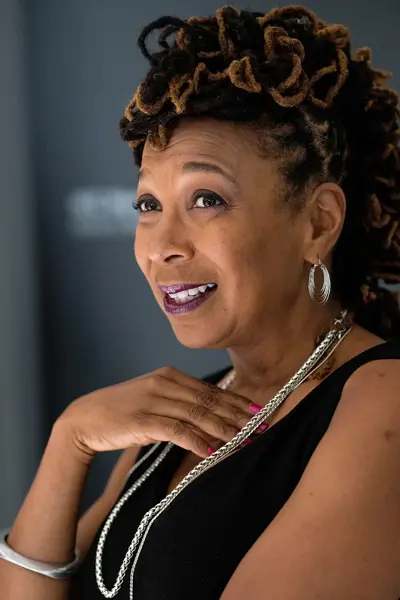
Kimberlé Williams Crenshaw (/ˈkɪmbərli/; born 1959) is an American lawyer, civil rights advocate, philosopher, and a leading scholar of critical race theory who developed the theory of intersectionality. She is a full-time professor at the UCLA School of Law and Columbia Law School, where she specializes in race and gender issues. Crenshaw is also the founder of Columbia Law School's Center for Intersectionality and Social Policy Studies (CISPS) and the African American Policy Forum (AAPF), as well as the president of the Berlin-based Center for Intersectional Justice (CIJ). Crenshaw is known for the introduction and development of intersectionality, the theory of how overlapping or intersecting social identities, particularly minority identities, relate to systems and structures of oppression, domination, or discrimination. Her scholarship was also essential in the development of intersectional feminism which examines the overlapping systems of oppression and discrimination to which women are subject due to their ethnicity, sexuality and economic background.
