Henry T. Greely Quotes
It will save the health care system a lot of money. You don't need to prevent the births of very many really sick babies to pay for hundreds or thousands of attempts at making babies through easy PGD.
Greely, Henry T. The End of Sex and the Future of Human Reproduction. Harvard University Press, 2016.


Hitler’s Germany promptly passed the law which was the beginning of their program of human extermination and the Holocaust.


under the law Physicians had to report to the committee all cases of births with serious congenital defects such as down’s syndrome. A committee of three NAZI appointed Physicians would then review the case files and decide which children should be allowed to live and which should be murdered. Over 5000 German children or killed upon the orders of this committee.


Darwin was not only favorable towards Blacks—see {621212}—but thought the political opposition to racial intermarriage and interbreeding unscientific. He believed that science could demonstrate that there was no genetic deterioration in miscegenation. Today there has been enough biracial marriage and children that it is clear that there is no difference in intelligence or other important characteristics. Despite this, the claim of racial destruction has been the claim of Nazis and other racists. See {621215}


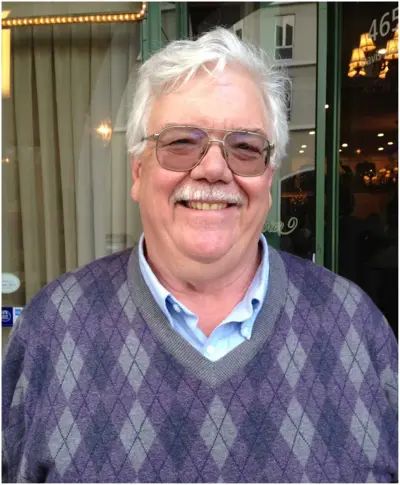
Director, Center for Law and the Biosciences; Professor (by courtesy) of Genetics, Stanford School of Medicine; Chair, Steering Committee of the Center for Biomedical Ethics; and Director, Stanford Program in Neuroscience and Society. Henry T. Greely (BA '74) specializes in the ethical, legal, and social implications of new biomedical technologies, particularly those related to neuroscience, genetics, or stem cell research. He frequently serves as an advisor on California, national, and international policy issues. He is chair of California's Human Stem Cell Research Advisory Committee, a member of the Advisory Council of the NIH's National Institute for General Medical Sciences, a member of the Committee on Science, Technology, and Law of the National Academies, a member of the Neuroscience Forum of the Institute of Medicine, and served from 2007-2010 as co-director of the Law and Neuroscience Project, funded by the MacArthur Foundation. Professor Greely chairs the steering committee for the Stanford Center for Biomedical Ethics and directs both the law school's Center for Law and the Biosciences and the Stanford Program in Neuroscience and Society. In 2007 Professor Greely was elected a fellow of the American Association for the Advancement of Science.
