Ryszard Kapuscinski Quotes
It was enough to be familiar with European culture - enough just to be a European, born or naturalized - to feel oneself the master, lord of the house, the world's custodian. For this European needed no qualifications, no additional knowledge, no particular qualities of mind or character. I observed this still in the 1950s and 1960s in Africa and Asia. Some European, in his own country very average, even incompetent, and held in law regard, right away became a high commissioner, the chairman of a great concern, director of a hospital or school when he arrived in Malaysia or Malawi.
Ryszard Kapuscinski, Polish Writer & Journalist, Our Responsibilities in a Multicultural World
Sourced by: Eigen's Political and Historical Quotations


The title of this controversial poem became a rallying cry for imperialists and anti-imperialists both. The imperialists saw it as a justification for expansionism and colonialism—that the white had a moral responsibility to bring civilization to the other races. To the anti-imperialists it was a racist justification for imposing Christian values on the rest of the world which didn’t want them. In the quotation example here, the poem was used to state a dilemma of foreign aid and trying to bring democracy and freedom to the world.


This statement was widely interpreted to be a statement of Western Christian superiority over the Muslim world.


The planners of this particular war effort involved many ideologically correct supporters of a neo conservative agenda from the United States and the other Allies more knowledgeable diplomats and military people were kept our of the effort lest they disagree with administration ideology or policy. The result was a very badly mismanaged occupation phase of the war after a very well managed invasion effort.


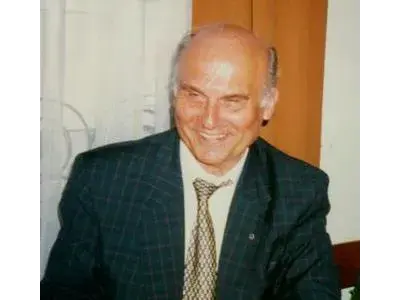
Ryszard Kapuściński was a Polish journalist, photographer, poet and author. He received many awards and was considered a candidate for the Nobel Prize for Literature. Kapuściński's personal journals in book form attracted both controversy and admiration for blurring the conventions of reportage with the allegory and magical realism of literature. He was the Communist-era Polish Press Agency's only correspondent in Africa during decolonization, and also worked in South America and Asia. Between 1956 and 1981 he reported on 27 revolutions and coups, until he was fired because of his support for the pro-democracy Solidarity movement in his native country. He was celebrated by other practitioners of the genre. The acclaimed Italian reportage-writer Tiziano Terzani, Colombian writer Gabriel García Márquez, and Chilean writer Luis Sepúlveda accorded him the title "Maestro".
