Malala Yousafzai Quotes
It is true that when there's a drone attack, those - that the - the terrorists are killed, it's true. But 500 and 5,000 more people rises against it, and more terrorism occurs, and more - more bomb blasts occurs.
Yousafzai, Malala. Interview with Jon Stewart. The Daily Show with Jon Stewart, Comedy Central, 8 Oct. 2013.

This is always a problem in parts of the world where conflicts operate with many different parties and theater are personal grudges and scores to settle.


Ironically, one of the major objections to drone strikes is that they have caused civilian casualties.
Although the Amerian Drone program did inadvertently kill untargeted or mistakenly targeted civilians at that time, the collateral damage rate was smaller than any other weapons system available to the American forces. War has always produced unintended collateral damage. The only way to stop the killing of innocent civilians then and now is to stop the war.

Executive Order 12333 prohibits political assassinations. The administration took the position that the prohibition did not apply to war where assassination (targeted killing) of enemy leaders is clearly permitted. The problem was that the George W. Bush Administration did not classify the “War on Terror” as a war. They didn’t want to treat captured jihadists as prisoners of war. The Obama administration also would not ask Congress for a Declaration of war, and this caused the moral, ethical, and legal ambiguity that has plagued targeted killings by drones or other means throughout the Afghan and Iraq Wars which were legally not wars.
There was extensive hostility expressed by civilian populations in Pakistan and other countries where the United States made Drone strikes to take out terrorist leaders. However, there was much anti-American feeling in Pakistan before the Drone strikes.


He was out of office when he made this statement.

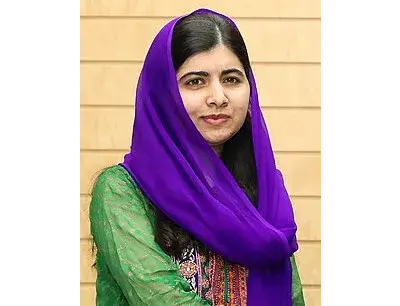
Malala Yousafzai, often referred to mononymously as Malala, is a Pakistani activist for female education and the youngest Nobel Prize laureate. She is known for human rights advocacy, especially the education of women and children in her native Swat Valley in Khyber Pakhtunkhwa, northwest Pakistan, where the local Pakistani Taliban had at times banned girls from attending school. Her advocacy has grown into an international movement, and according to former Pakistani Prime Minister Shahid Khaqan Abbasi, she has become "the most prominent citizen" of the country.
