Alfred Marshall Quotes
It is common to distinguish necessaries, comforts, and luxuries; the first class including all things required to meet wants which must be satisfied, while the latter consist of things that meet wants of a less urgent character.
Marshall, Alfred. Principles of Economics. 8th ed., Macmillan and Co., 1920, p. 67.


Contrast this with the French Revolution treatment of the ex-aristocratic criminals. There were kept in miserable conditions for a few days, tried and executed. The Dutch wanted justice but the leadership kept the process focused on that and not vengeance. Although the aristocrats were treated very well physically, it was very hard on them. They were not allowed to have any visitors—friends or relatives—for fear that they would be involved with plots to return the monarchy.

A good example would be electricity which at one period of U. S. history could only be afforded by the very rich and was considered a major luxury. A century after its luxury period, it was considered such a necessity that most states had emergency means to pay for electricity when very poor people could not pay for it.

Samuel Langhorne Clemens, 1835-1910


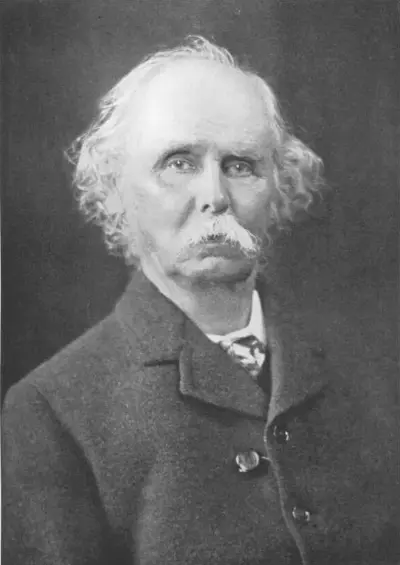
Alfred Marshall FBA was an English economist, who was one of the most influential economists of his time. His book, Principles of Economics (1890), was the dominant economic textbook in England for many years. It brings the ideas of supply and demand, marginal utility, and costs of production into a coherent whole. He is known as one of the founders of neoclassical economics.
