Edward Gibbon Quotes
Instructed by history and reflection, Julian was persuaded that, if the diseases of the body may sometimes be cured by salutary violence, neither steel nor fire can eradicate the erroneous opinions of the mind.
Gibbon, Edward. The History of the Decline and Fall of the Roman Empire. Vol. 2, W. Strahan and T. Cadell, 1781, p. 377.


It was common then for people to die in tenements as a result of shoddy construction, poisoning by sewer gas, and unsanitary conditions. As the result of the efforts of reformers like Riis and Theodore Roosevelt health inspectors were appointed and errant builders went to jail—in some cases for manslaughter.


The Netherlands and Belgium then belonged to Spain. However, Protestantism was spreading to the Netherlands. The Duke was a Catholic fanatic and advised the King to send him and an army into the Lowlands to root out and kill the heretics. In contrast, the Duke of Feria counseled allowing the lowlands tolerance. The King, himself a bloody fanatic sent Alba with the army. Over the next decade he murdered and executed thousands of Protestants and many Catholics who were more tolerant and thought Alba, who was given the derogatory nickname of “The Iron Duke. Ironically, this led to the Lowlands revolting and gaining independence from Spain.


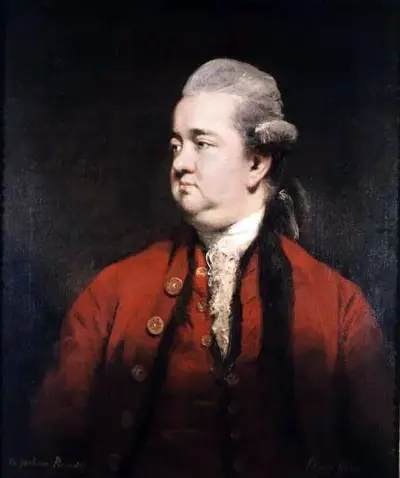
Edward Gibbon FRS was an English historian, writer and Member of Parliament. His most important work, The History of the Decline and Fall of the Roman Empire, was published in six volumes between 1776 and 1788 and is known for the quality and irony of its prose, its use of primary sources, and its polemical criticism of organised religion.
