H. L. Mencken Quotes
In war the heroes always outnumber the soldiers ten to one.
Mencken, H. L. A Little Book in C Major. John Lane Company, 1916, p. 43.


Trumbo was morally opposed to war. He also refused to name Hollywood communists to Congressional Committees during the Red Scare. He was then blacklisted from his occupation, screen writing.


This would be like an American President firing the congressional chaplains. However this is only one small, but telling, example of Atatuk’s secularization of the nation which had a great deal to do with Turkey becoming a modern great power—by far the strongest and most developed of the Islamic world.

While Mangin was disgustingly racist, many native soldiers from Senegal, Morocco and other French colonies were pleased that Mangin was not only advocating that they serve with the French Army, but the General was critical of the fighting spirt of the then contemporary Frenchmen and claimed that the “prmitives” would invigorate the French Army. Mangin’s view was adopted as policy and in the First World War, native colonial troops were an important component of the victorious French Army.


Patton, one of the world’s best fighting general was somewhat mentally unbalanced and unlike almost all senior officers who are successful commanders but see war as an unpleasant, brutal necessity, Patton loved war and the fighting part of it. His non battlefield behavior was so erratic and atrocious that Eisenhower and his other superiors almost fired him on several occasions. He died in an automobile crash shortly after the German surrender, so the dilemma of what to do with Patton in peacetime was resolved.


An example of this was the landing in the beaches of Normandy in WWII. Once on the beaches the allied troops had to win or die. Some of the most heroic fighting in American and English military history occurred on those beaches. Another was the Spanish Explorer Hernando Cortez who after landing in the New World, had his ships burned so that he and his soldiers had to conquer or they would die.


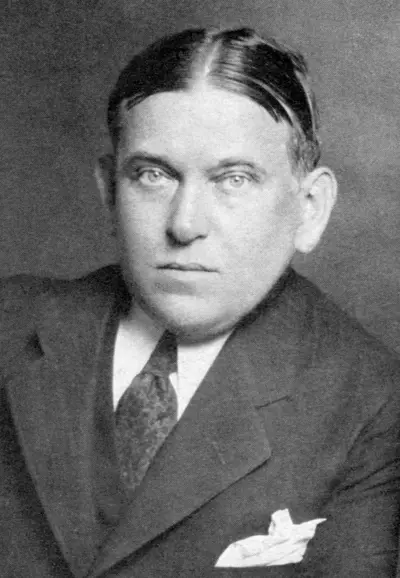
Henry Louis Mencken was an American journalist, essayist, satirist, cultural critic, and scholar of American English. He commented widely on the social scene, literature, music, prominent politicians, and contemporary movements. His satirical reporting on the Scopes Trial, which he dubbed the "Monkey Trial," also gained him attention.
